
News Center
Understanding Direction Sensors: Essential Components for Modern Electronic Systems
One of the primary types of direction sensors is the magnetometer, which measures the Earth's magnetic field to determine orientation. This technology is commonly used in smartphones and navigation devices, helping users find their way by providing compass-like functionality. Another vital type is the gyroscope, which detects rotational movement around an axis. Gyroscopes are often found in drones, gaming controllers, and stabilization systems, enabling smooth motion and precise control.
In many cases, direction sensors are combined with accelerometers to create a sensor fusion system. This integration allows for more accurate readings by compensating for the limitations of each individual sensor. For instance, while accelerometers can detect linear motion, they may not provide a complete picture of orientation without the data from a gyroscope. Together, these sensors contribute to a comprehensive understanding of an object's movement and orientation.
The importance of direction sensors extends beyond consumer electronics. In industrial applications, these sensors are vital for automation and robotics. They enable machines to navigate their environment, perform tasks with precision, and enhance safety protocols. In the automotive sector, direction sensors contribute to advanced driver-assistance systems (ADAS), providing critical information for features such as lane-keeping assistance and adaptive cruise control.
As technology continues to advance, the capabilities of direction sensors are expected to grow exponentially. Innovations in materials and design are leading to more compact, energy-efficient, and accurate sensors. This trend will likely drive the adoption of direction sensors in new areas, including the Internet of Things (IoT), smart homes, and wearable technology.
For professionals in the electronics industry, understanding the functionality and applications of direction sensors is crucial for developing competitive products. By staying informed about the latest advancements, professionals can leverage these technologies to create innovative solutions that meet the ever-evolving demands of consumers and businesses alike.
In conclusion, direction sensors are indispensable components in modern electronic systems. Their ability to provide critical information about orientation and movement paves the way for advancements across various industries. As the market for these sensors expands, professionals must continue to explore and understand their potential to harness the full capabilities of direction sensing technology.
Related News
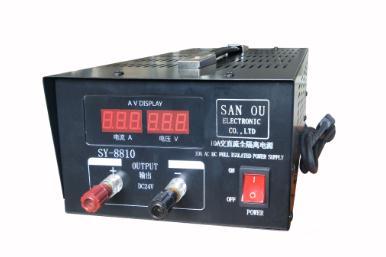
Understanding the Benefits of a 1 in 4 Out Signal Distributor for Electronic Components
Understanding the Benefits of a 1 in 4 Out Signal Distributor for Electronic Components Table of Contents 1. Introduction to Signal Distribution 2. What is a 1 in 4 Out Signal Distributor? 3. Key Advantages of Using a 1 in 4 Out Signal Distributor 3.1 Enhanced Signal Integrity 3.2 Improved Signal Distribution Efficiency 3.3 Flexibility in System Desi
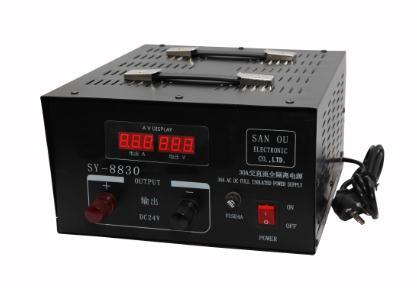
Understanding the 1 in 10 Out Signal Distributor: A Key Component in Optoelectronic Applications
A 1 in 10 out signal distributor is a specialized electronic device that takes a single input signal and replicates it across multiple output channels—in this case, ten outputs. This function is crucial in various applications, including telecommunications, broadcasting, and data transmission systems. The ability to distribute a single signal to multiple outputs ensures that information can reach
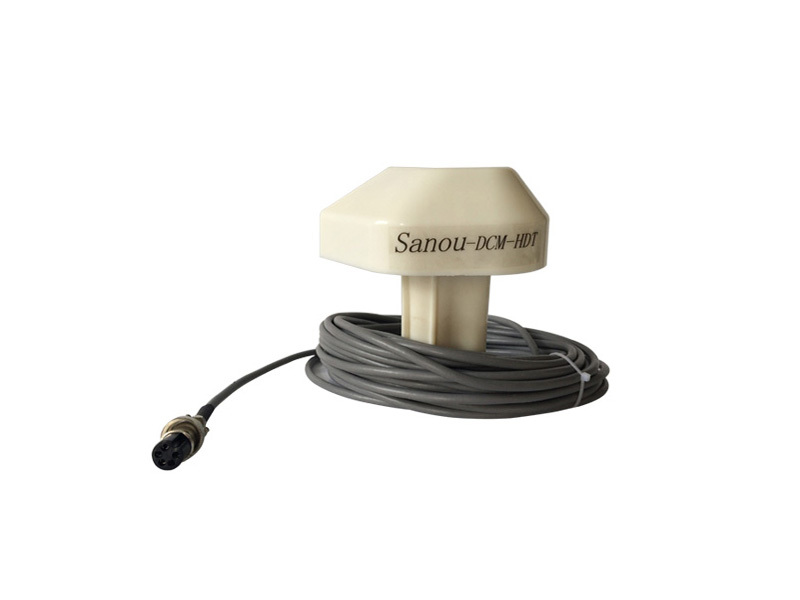
Unlocking the Benefits of the Furuno 1831 Radar with a Quality 24 Pin Square Plug
Unlocking the Benefits of the Furuno 1831 Radar with a Quality 24 Pin Square Plug Table of Contents 1. Introduction to Furuno 1831 Radar 2. Key Features of the Furuno 1831 Radar 3. Advantages of Using a Quality 24 Pin Square Plug 4. Installing the Furuno 1831 Radar with a 24 Pin Square Plug 5. Maintenance Tips for Optimal Performance 6. Troubleshooting Common