
News Center
Understanding Intelligent Signal Distributors: A Comprehensive Exploration of Optoelectronic Components
Understanding Intelligent Signal Distributors: A Comprehensive Exploration of Optoelectronic Components
Table of Contents
- 1. Introduction to Intelligent Signal Distributors
- 2. The Role of Optical Electronics in Modern Technology
- 3. What Are Intelligent Signal Distributors?
- 4. Types of Intelligent Signal Distributors
- 5. Applications of Intelligent Signal Distributors
- 6. Recent Advancements in Optoelectronics
- 7. Integration with Other Technologies
- 8. Challenges and Solutions in Signal Distribution
- 9. Future Trends in Optoelectronic Components
- 10. Conclusion
- 11. Frequently Asked Questions
1. Introduction to Intelligent Signal Distributors
In the rapidly evolving technological landscape, **intelligent signal distributors** serve as pivotal components in the realm of communication systems. These devices enable the effective management and distribution of signal data across various platforms, ensuring that high-quality transmission reaches its intended destination. As we delve deeper into the subject, we will explore how these distributors operate and their integral role in supporting **optoelectronic components**.
2. The Role of Optical Electronics in Modern Technology
Optical electronics merges the principles of optics and electronics, creating systems that utilize light to transmit data. This field has revolutionized various sectors, from telecommunications to medical devices. **Optoelectronic components** include lasers, photodetectors, and signal distributors, all essential for harnessing light's properties to enhance communication efficiency. The importance of these components cannot be overstated; they are the backbone of high-speed internet, advanced medical imaging, and even consumer electronics.
3. What Are Intelligent Signal Distributors?
Intelligent signal distributors are designed to handle multiple input signals and distribute them seamlessly to various outputs. They optimize signal flow, minimize loss, and enhance overall performance. These devices can intelligently route signals based on real-time data, making them crucial in applications where speed and reliability are paramount. Their ability to adapt to changing conditions sets them apart from traditional signal distributors.
4. Types of Intelligent Signal Distributors
Understanding the different types of intelligent signal distributors is crucial for selecting the right one for specific applications. Here are some common types:
4.1 Passive Signal Distributors
Passive signal distributors do not amplify signals; they simply split input signals into multiple outputs. They are ideal for short-distance applications where signal integrity is not significantly affected.
4.2 Active Signal Distributors
Active signal distributors include built-in amplifiers that boost signal strength, making them suitable for long-distance transmission. They are essential in environments where signal degradation is a concern.
4.3 Intelligent Signal Routing Systems
These advanced systems utilize algorithms to determine the most efficient path for signals. They adjust dynamically to network changes, ensuring optimal performance in real-time.
5. Applications of Intelligent Signal Distributors
The versatility of intelligent signal distributors makes them applicable across various industries. Here are some key applications:
5.1 Telecommunications
In telecommunications, intelligent signal distributors are vital for managing and distributing voice and data signals across networks. They enable the seamless operation of services such as VoIP and video conferencing.
5.2 Broadcasting
For television and radio broadcasting, these distributors ensure that signals are sent to multiple locations without loss of quality, allowing for clear transmission across vast areas.
5.3 Medical Devices
In healthcare, intelligent signal distributors facilitate data transfer in imaging systems and patient monitoring devices, ensuring timely and accurate diagnostics.
6. Recent Advancements in Optoelectronics
The field of optoelectronics is continually evolving, with significant advancements enhancing the capabilities of intelligent signal distributors. Innovations such as **silicon photonics** and **integrated optics** are at the forefront, enabling higher data rates and reduced power consumption. These advancements allow for more compact designs and increased functionality, addressing the growing demand for faster and more efficient signal distribution.
7. Integration with Other Technologies
Intelligent signal distributors are increasingly being integrated with other technologies to create more comprehensive systems. For instance, the combination of **artificial intelligence (AI)** and signal distribution can lead to smarter routing decisions based on traffic patterns and usage statistics. Furthermore, the integration with **Internet of Things (IoT)** devices allows for real-time monitoring and adjustment of signal pathways, enhancing overall system performance.
8. Challenges and Solutions in Signal Distribution
Despite their advantages, intelligent signal distributors face several challenges:
8.1 Signal Interference
One significant challenge is signal interference from external sources. This interference can degrade the quality of the transmitted signals. Solutions include using shielding materials and advanced filtering techniques to minimize unwanted noise.
8.2 Scalability Issues
As networks grow, maintaining performance and reliability becomes increasingly challenging. Employing modular designs and scalable architectures can mitigate these issues, allowing for easy expansion without compromising efficiency.
9. Future Trends in Optoelectronic Components
The future of intelligent signal distributors and optoelectronic components looks promising. Emerging trends include:
9.1 Miniaturization
As technology progresses, the demand for smaller, more efficient components continues to rise. This trend leads to the development of compact signal distributors that maintain high performance in reduced form factors.
9.2 Enhanced AI Integration
The integration of AI in signal distribution systems will enable predictive maintenance and self-optimizing networks, ensuring optimal performance and reducing downtime.
9.3 Increased Focus on Sustainability
The industry is shifting towards sustainable practices, with a growing emphasis on eco-friendly materials and energy-efficient designs in optoelectronic components.
10. Conclusion
Intelligent signal distributors play a crucial role in the functionality and performance of optoelectronic components. As technology continues to advance, these distributors will evolve, offering enhanced capabilities and efficiencies. By understanding their mechanisms, applications, and future trends, industry professionals can make informed decisions that leverage these technologies to meet the growing demands of modern communication systems.
11. Frequently Asked Questions
What is an intelligent signal distributor?
An intelligent signal distributor is a device that manages and distributes signals across various outputs, enhancing performance and minimizing losses.
How do intelligent signal distributors differ from traditional distributors?
Unlike traditional distributors, intelligent signal distributors can dynamically adapt to changing conditions and intelligently route signals for optimal performance.
What industries commonly use intelligent signal distributors?
They are widely used in telecommunications, broadcasting, and medical devices, among other industries.
What advancements are currently shaping the future of optoelectronics?
Key advancements include the development of silicon photonics, integrated optics, and the integration of AI technologies.
How can signal interference be minimized in signal distribution?
Signal interference can be minimized through the use of shielding materials, advanced filtering techniques, and careful system design.
By exploring the sophisticated landscape of intelligent signal distributors, we've uncovered their significant role in modern technology. As we move forward, embracing the advancements in this field will be pivotal in enhancing communication systems globally.
Related News
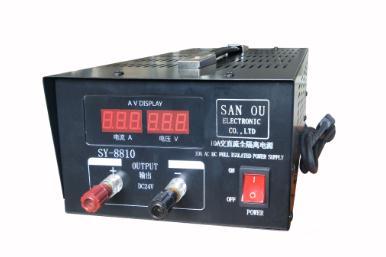
Understanding the Benefits of a 1 in 4 Out Signal Distributor for Electronic Components
Understanding the Benefits of a 1 in 4 Out Signal Distributor for Electronic Components Table of Contents 1. Introduction to Signal Distribution 2. What is a 1 in 4 Out Signal Distributor? 3. Key Advantages of Using a 1 in 4 Out Signal Distributor 3.1 Enhanced Signal Integrity 3.2 Improved Signal Distribution Efficiency 3.3 Flexibility in System Desi
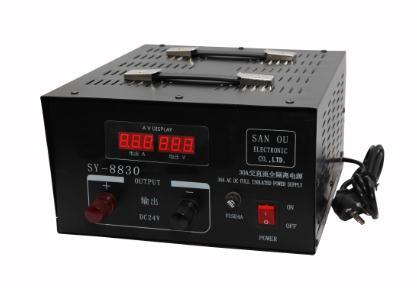
Understanding the 1 in 10 Out Signal Distributor: A Key Component in Optoelectronic Applications
A 1 in 10 out signal distributor is a specialized electronic device that takes a single input signal and replicates it across multiple output channels—in this case, ten outputs. This function is crucial in various applications, including telecommunications, broadcasting, and data transmission systems. The ability to distribute a single signal to multiple outputs ensures that information can reach
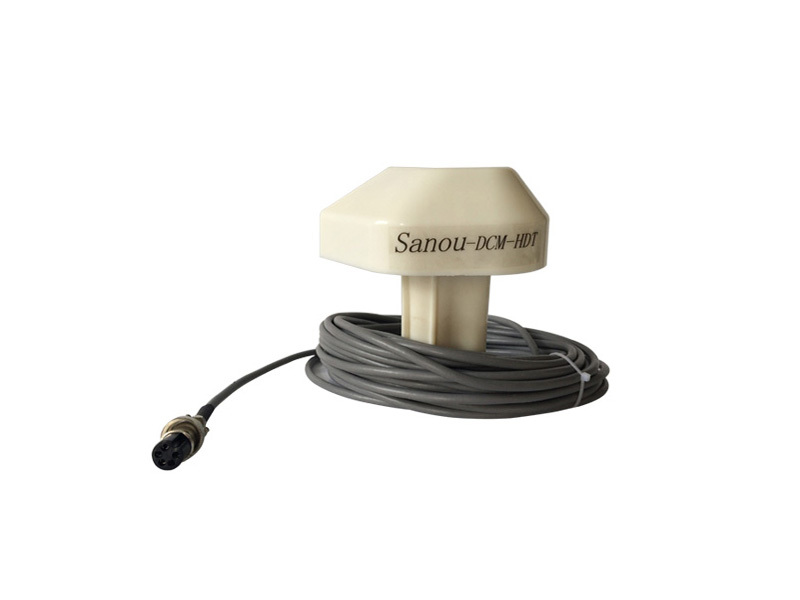
Unlocking the Benefits of the Furuno 1831 Radar with a Quality 24 Pin Square Plug
Unlocking the Benefits of the Furuno 1831 Radar with a Quality 24 Pin Square Plug Table of Contents 1. Introduction to Furuno 1831 Radar 2. Key Features of the Furuno 1831 Radar 3. Advantages of Using a Quality 24 Pin Square Plug 4. Installing the Furuno 1831 Radar with a 24 Pin Square Plug 5. Maintenance Tips for Optimal Performance 6. Troubleshooting Common