
News Center
Simple Steps to Effectively Reset Your Steering Gear Alarm Indicator
Simple Steps to Effectively Reset Your Steering Gear Alarm Indicator
Maintaining the functionality of your vessel is crucial for safe and efficient maritime operations. One of the common issues that operators face is the steering gear alarm indicator activating unexpectedly. In this guide, we will delve into the simple steps you can take to reset your steering gear alarm indicator, providing you with a detailed roadmap to troubleshoot and resolve the issue effectively.
Understanding the Importance of Your Steering Gear Alarm Indicator
The steering gear alarm indicator serves a vital role in ensuring the safe navigation of your vessel. This alarm alerts operators to potential issues within the steering system, which can be critical for safe maneuvering. Understanding how this system functions will aid in recognizing when an alarm is triggered and what steps should be taken to rectify it.
What Triggers the Steering Gear Alarm Indicator?
Various factors can trigger the steering gear alarm indicator, including:
- Low Hydraulic Fluid Levels: Insufficient hydraulic fluid can lead to inadequate steering response, triggering the alarm.
- Electrical Failures: Faulty wiring or blown fuses can cause the alarm to activate.
- Mechanical Failures: Problems within the steering gear assembly, such as worn-out components, may also trigger the alarm.
Preliminary Checks Before Resetting the Alarm
Before diving into the reset process, it's essential to conduct thorough preliminary checks to diagnose the problem accurately. This ensures that you address the root cause rather than simply silencing the alarm.
Inspecting Fluid Levels
Start by checking the hydraulic fluid levels in the steering system. Make sure the fluid is at the appropriate level as specified by the manufacturer. If the fluid is low, refill it using the correct type of hydraulic fluid to avoid any compatibility issues.
Examine Electrical Connections
Next, inspect all electrical connections associated with the steering gear. Look for any signs of wear, corrosion, or disconnection. Ensure that the battery is charged and that all fuses related to the steering system are intact.
Mechanical Inspection
A visual inspection of the steering gear components is crucial. Look for any signs of wear or damage in the gear assembly. If you notice any broken or worn parts, replacement may be necessary to restore proper functionality.
Step-by-Step Guide to Resetting Your Steering Gear Alarm Indicator
Once you have conducted the necessary preliminary checks, you can proceed to reset the steering gear alarm indicator. Follow these simple steps to ensure a successful reset.
Step 1: Power Down the System
Begin by turning off the power to the steering gear system. This can typically be done via the main control panel. Allow the system to power down completely before moving on to the next step.
Step 2: Locate the Reset Button
Most steering gear systems feature a reset button, which is usually located on the control panel or near the steering gear itself. Consult the owner’s manual to find the exact location of the reset button for your specific model.
Step 3: Press the Reset Button
Once you've located the reset button, press and hold it for a few seconds. You should hear a beep or see an indicator light confirming that the reset process is active.
Step 4: Power Up the System
After releasing the reset button, turn the power back on to the steering gear system. Monitor the alarm indicator closely to see if it remains off.
Step 5: Conduct a Function Check
With the system powered back on, perform a function check of the steering gear. Test the steering response to ensure everything is operating correctly and that no alarms are reactivating.
Troubleshooting Common Issues After Resetting
If the alarm indicator reactivates after following the reset steps, further troubleshooting may be necessary. Here are some common issues to consider:
Persistent Alarm Despite Reset
If the alarm continues to sound after resetting, verify that you have addressed any underlying issues such as fluid levels, electrical connections, or mechanical faults. If everything appears normal, consult a professional technician for further diagnosis.
Alarm Activating During Operation
In some cases, the alarm may only activate during vessel operation. If this occurs, it could indicate a problem with the steering under load, which requires immediate attention. Inspect the hydraulic system for leaks or air bubbles that could affect performance.
Best Practices for Maintaining Your Steering Gear System
To avoid future alarm issues and ensure the longevity of your steering gear system, follow these best practices:
Regular Inspections
Conduct regular inspections of the steering gear system, including hydraulic fluid levels, electrical connections, and mechanical components. Establish a routine maintenance schedule to stay ahead of potential issues.
Fluid Replacement
Replace hydraulic fluid as recommended by the manufacturer. Old or contaminated fluid can significantly impact the performance of the steering gear, leading to alarms and other issues.
Training and Familiarization
Ensure that all personnel operating the vessel are adequately trained and familiar with the steering gear system. Understanding how to respond to alarms and perform resets can enhance safety and efficiency onboard.
Frequently Asked Questions (FAQs)
1. What should I do if my steering gear alarm indicator won't reset?
If the alarm indicator won't reset, check for underlying issues such as low fluid levels or electrical faults. If problems persist, consult a qualified technician.
2. Can I reset the steering gear alarm indicator while underway?
It is not advisable to reset the alarm while the vessel is in motion. Always conduct this procedure when the vessel is stationary to ensure safety.
3. How often should I check the hydraulic fluid levels?
We recommend checking hydraulic fluid levels before each voyage and conducting a more thorough inspection at regular maintenance intervals.
4. What type of hydraulic fluid should I use?
Always refer to the manufacturer's specifications for the correct type of hydraulic fluid suitable for your steering gear system.
5. Are there any signs that indicate my steering gear needs maintenance?
Indicators of maintenance needs include unusual noises, difficulty in steering, fluid leaks, or persistent alarm signals. Address these issues immediately to ensure safe operation.
Conclusion
Resetting your steering gear alarm indicator doesn't have to be a daunting task. By following the outlined steps and conducting thorough inspections, you can efficiently manage and mitigate alarm-related issues. Regular maintenance and vigilance are key to ensuring safe navigation and optimal performance of your vessel’s steering system. Remember, a little preventative care can save you from future headaches and ensure smooth sailing ahead.
Related News
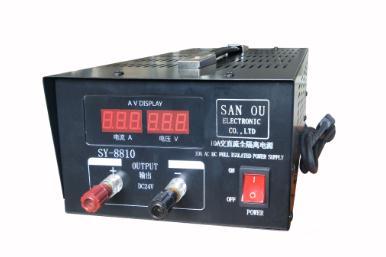
Understanding the Benefits of a 1 in 4 Out Signal Distributor for Electronic Components
Understanding the Benefits of a 1 in 4 Out Signal Distributor for Electronic Components Table of Contents 1. Introduction to Signal Distribution 2. What is a 1 in 4 Out Signal Distributor? 3. Key Advantages of Using a 1 in 4 Out Signal Distributor 3.1 Enhanced Signal Integrity 3.2 Improved Signal Distribution Efficiency 3.3 Flexibility in System Desi
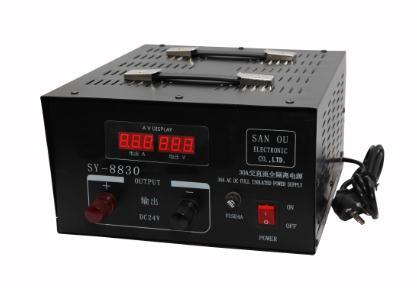
Understanding the 1 in 10 Out Signal Distributor: A Key Component in Optoelectronic Applications
A 1 in 10 out signal distributor is a specialized electronic device that takes a single input signal and replicates it across multiple output channels—in this case, ten outputs. This function is crucial in various applications, including telecommunications, broadcasting, and data transmission systems. The ability to distribute a single signal to multiple outputs ensures that information can reach
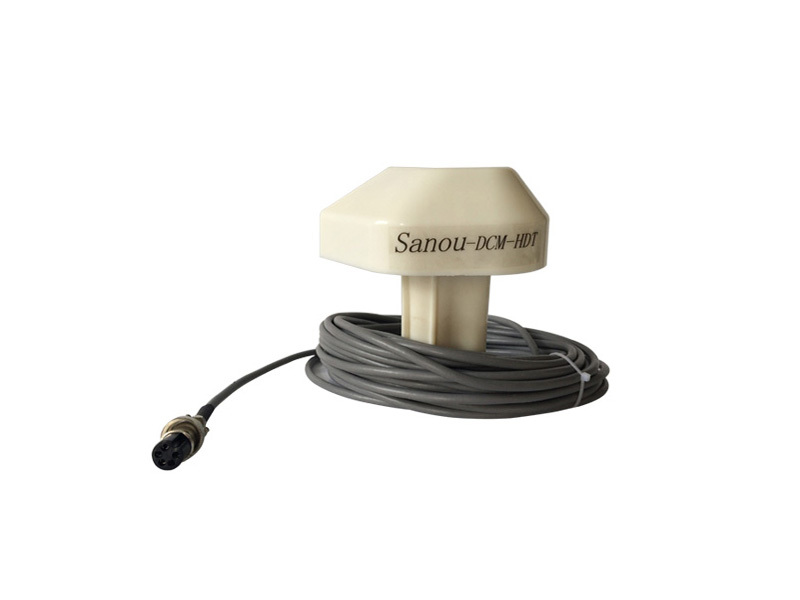
Unlocking the Benefits of the Furuno 1831 Radar with a Quality 24 Pin Square Plug
Unlocking the Benefits of the Furuno 1831 Radar with a Quality 24 Pin Square Plug Table of Contents 1. Introduction to Furuno 1831 Radar 2. Key Features of the Furuno 1831 Radar 3. Advantages of Using a Quality 24 Pin Square Plug 4. Installing the Furuno 1831 Radar with a 24 Pin Square Plug 5. Maintenance Tips for Optimal Performance 6. Troubleshooting Common