
News Center
Understanding Direction Sensors: Key Components in Electronic Devices
A direction sensor typically employs a combination of technologies, including accelerometers, gyroscopes, and magnetometers. Accelerometers measure the acceleration forces acting on the device, allowing it to detect changes in motion and position. Gyroscopes, on the other hand, measure the rate of rotation around an axis, providing critical data for maintaining orientation. Magnetometers sense the Earth's magnetic field to ascertain absolute direction, which is particularly useful in navigation systems.
In the context of electronic components, direction sensors are increasingly being integrated into current and voltage sensor systems to enhance their functionality. For instance, in electric vehicles, direction sensors can monitor the vehicle's orientation to optimize energy consumption and improve overall performance. Additionally, in renewable energy applications, such as solar panels, direction sensors can adjust the panel's angle to face the sun more directly, maximizing energy capture.
The application of direction sensors extends beyond just navigation and energy efficiency. In the realm of robotics, these sensors allow machines to understand their environment better and navigate complex terrains. By providing real-time data about their orientation, direction sensors enable robots to perform tasks accurately and efficiently.
When selecting direction sensors for your projects, it's essential to consider factors such as sensitivity, range, and integration capabilities. The choice of sensor can significantly impact the performance of your system. Additionally, understanding the specific requirements of your application—whether it involves high-speed motion detection or low-power consumption—will guide you in making the right decision.
In summary, direction sensors serve as critical components in electronic device design, especially within the domain of current and voltage sensors. Their ability to provide accurate orientation information enhances the functionality and efficiency of various applications, making them indispensable in modern electronics. As technology continues to advance, the integration of advanced direction sensors will likely become even more prevalent, paving the way for smarter and more capable electronic systems.
Related News
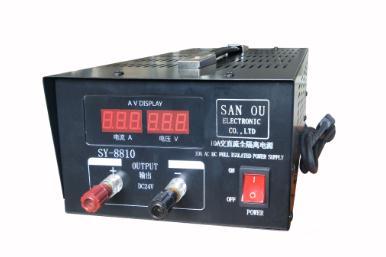
Understanding the Benefits of a 1 in 4 Out Signal Distributor for Electronic Components
Understanding the Benefits of a 1 in 4 Out Signal Distributor for Electronic Components Table of Contents 1. Introduction to Signal Distribution 2. What is a 1 in 4 Out Signal Distributor? 3. Key Advantages of Using a 1 in 4 Out Signal Distributor 3.1 Enhanced Signal Integrity 3.2 Improved Signal Distribution Efficiency 3.3 Flexibility in System Desi
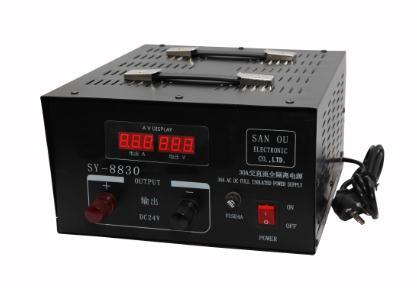
Understanding the 1 in 10 Out Signal Distributor: A Key Component in Optoelectronic Applications
A 1 in 10 out signal distributor is a specialized electronic device that takes a single input signal and replicates it across multiple output channels—in this case, ten outputs. This function is crucial in various applications, including telecommunications, broadcasting, and data transmission systems. The ability to distribute a single signal to multiple outputs ensures that information can reach
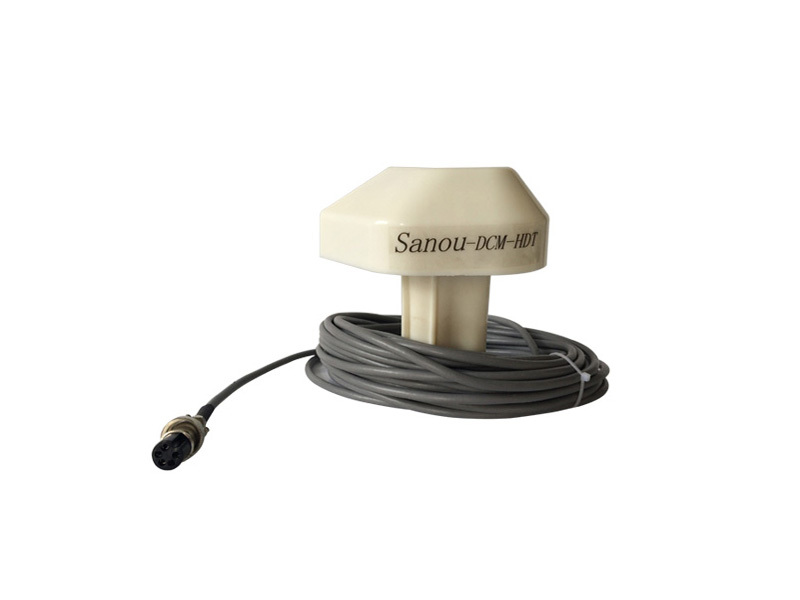
Unlocking the Benefits of the Furuno 1831 Radar with a Quality 24 Pin Square Plug
Unlocking the Benefits of the Furuno 1831 Radar with a Quality 24 Pin Square Plug Table of Contents 1. Introduction to Furuno 1831 Radar 2. Key Features of the Furuno 1831 Radar 3. Advantages of Using a Quality 24 Pin Square Plug 4. Installing the Furuno 1831 Radar with a 24 Pin Square Plug 5. Maintenance Tips for Optimal Performance 6. Troubleshooting Common