News Center
Understanding Large Bakelite Steering Wheels: A Historical and Functional Perspective
The design of large Bakelite steering wheels is geared towards providing maximum control and comfort for operators. Their size allows for easier maneuverability, making them suitable for heavy-duty applications where precision is essential. The ergonomic design of these wheels takes into consideration the operator’s grip and the force required to turn them, ensuring a seamless operation in industrial settings.
One of the key advantages of using Bakelite in steering wheel construction is its resistance to environmental factors. Unlike metal wheels, Bakelite does not corrode or rust, which can be a significant issue in industrial environments where exposure to moisture and chemicals is common. This property enhances the longevity of the steering wheels, reducing the frequency of replacements and maintenance, which can ultimately lead to cost savings.
Moreover, large Bakelite steering wheels carry a certain aesthetic appeal that can be desirable in vintage machinery restoration. Many collectors and enthusiasts appreciate the retro look offered by Bakelite components, making them a sought-after feature in classic industrial equipment. The combination of functionality and visual appeal makes these steering wheels a valuable addition to any machinery.
In addition to their functional benefits, the manufacturing process of large Bakelite steering wheels is noteworthy. The production of Bakelite involves a polymerization process that transforms the raw materials into a stable, high-performance plastic. This manufacturing process can be tailored to produce steering wheels of various sizes and designs, depending on specific industrial requirements. As such, understanding the production aspects can assist professionals in selecting the right components for their machinery.
In conclusion, large Bakelite steering wheels are not only practical components of industrial equipment but also reflect a rich history of material innovation and design. Their unique properties and historical significance make them an interesting subject for professionals in the industrial sector. Whether for practical application or aesthetic restoration, recognizing the value of large Bakelite steering wheels can enhance both operational efficiency and the overall appeal of industrial machinery.
Related News
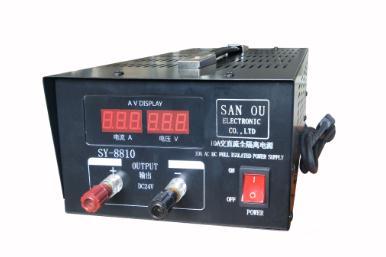
Understanding the Benefits of a 1 in 4 Out Signal Distributor for Electronic Components
Understanding the Benefits of a 1 in 4 Out Signal Distributor for Electronic Components Table of Contents 1. Introduction to Signal Distribution 2. What is a 1 in 4 Out Signal Distributor? 3. Key Advantages of Using a 1 in 4 Out Signal Distributor 3.1 Enhanced Signal Integrity 3.2 Improved Signal Distribution Efficiency 3.3 Flexibility in System Desi
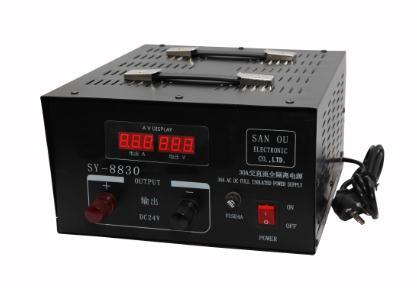
Understanding the 1 in 10 Out Signal Distributor: A Key Component in Optoelectronic Applications
A 1 in 10 out signal distributor is a specialized electronic device that takes a single input signal and replicates it across multiple output channels—in this case, ten outputs. This function is crucial in various applications, including telecommunications, broadcasting, and data transmission systems. The ability to distribute a single signal to multiple outputs ensures that information can reach
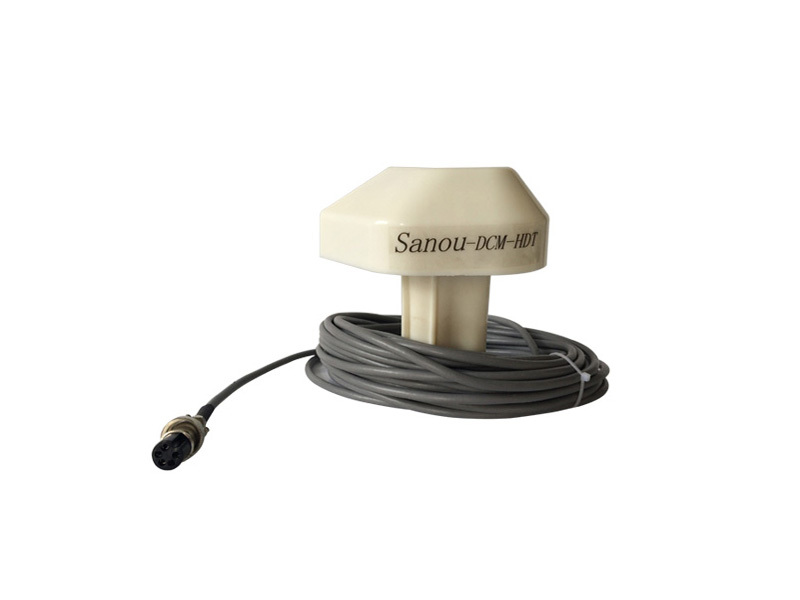
Unlocking the Benefits of the Furuno 1831 Radar with a Quality 24 Pin Square Plug
Unlocking the Benefits of the Furuno 1831 Radar with a Quality 24 Pin Square Plug Table of Contents 1. Introduction to Furuno 1831 Radar 2. Key Features of the Furuno 1831 Radar 3. Advantages of Using a Quality 24 Pin Square Plug 4. Installing the Furuno 1831 Radar with a 24 Pin Square Plug 5. Maintenance Tips for Optimal Performance 6. Troubleshooting Common