
News Center
Understanding Dual Actuator Dual Host Electric Throttle Control in Pressure Regulation
At its core, the dual actuator system utilizes two actuators to control the throttle valve. This setup allows for more precise control of the flow rate, which is essential in applications where maintaining specific pressure levels is critical. The dual host aspect refers to the use of two independent control units that work in tandem to ensure redundancy and reliability. This means that if one actuator or control unit fails, the other can seamlessly take over, thereby minimizing downtime and maintaining operational integrity.
One of the primary benefits of dual actuator dual host electric throttle control is its enhanced responsiveness. In dynamic environments, where pressure fluctuations can occur rapidly, this system can quickly adjust the throttle position to stabilize the pressure levels. This responsiveness is vital in industries such as chemical processing, pharmaceuticals, and oil and gas, where precise pressure control can significantly impact product quality and safety.
Moreover, the integration of electronic control systems allows for advanced monitoring and diagnostics. Operators can receive real-time data on the system's performance, enabling them to identify potential issues before they escalate. This proactive approach to maintenance not only increases system reliability but also extends the lifespan of the equipment, resulting in lower operational costs over time.
In addition, this technology supports energy efficiency. By optimizing the throttle position according to real-time demand, the system can reduce energy consumption significantly. This is particularly important in today's environmentally conscious market, where businesses are increasingly looking for ways to reduce their carbon footprint and operational costs.
In summary, the dual actuator dual host electric throttle control system represents a significant advancement in pressure regulation technology. Its ability to provide precise control, enhance reliability, and promote energy efficiency makes it an invaluable tool in the instrumentation and pressure control industry. Professionals who understand and implement this technology can greatly improve their operational efficiency, ensuring that they remain competitive in an ever-evolving market.
Related News
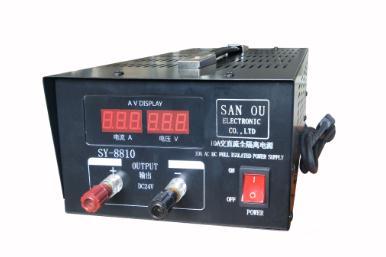
Understanding the Benefits of a 1 in 4 Out Signal Distributor for Electronic Components
Understanding the Benefits of a 1 in 4 Out Signal Distributor for Electronic Components Table of Contents 1. Introduction to Signal Distribution 2. What is a 1 in 4 Out Signal Distributor? 3. Key Advantages of Using a 1 in 4 Out Signal Distributor 3.1 Enhanced Signal Integrity 3.2 Improved Signal Distribution Efficiency 3.3 Flexibility in System Desi
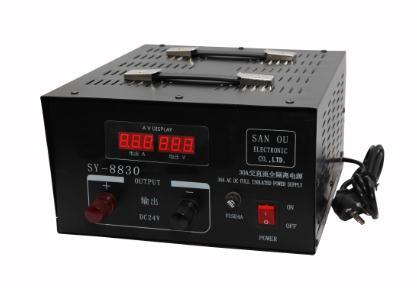
Understanding the 1 in 10 Out Signal Distributor: A Key Component in Optoelectronic Applications
A 1 in 10 out signal distributor is a specialized electronic device that takes a single input signal and replicates it across multiple output channels—in this case, ten outputs. This function is crucial in various applications, including telecommunications, broadcasting, and data transmission systems. The ability to distribute a single signal to multiple outputs ensures that information can reach
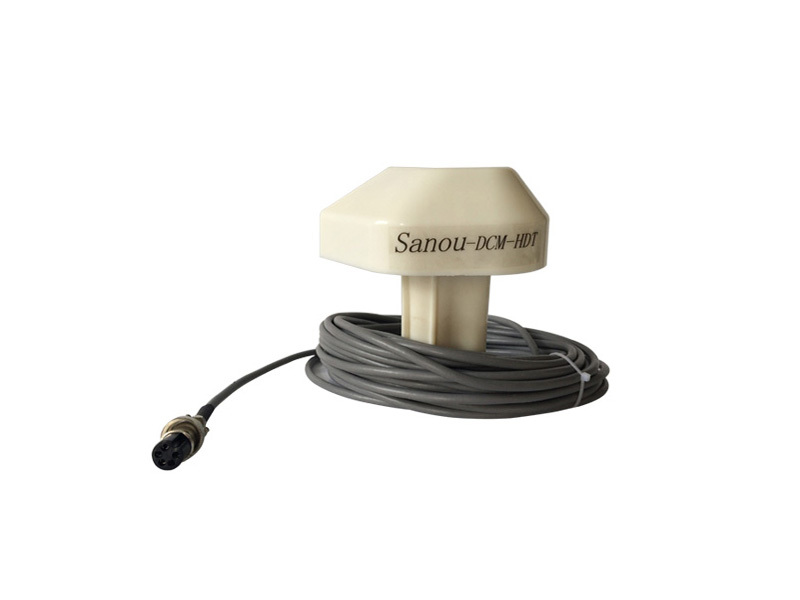
Unlocking the Benefits of the Furuno 1831 Radar with a Quality 24 Pin Square Plug
Unlocking the Benefits of the Furuno 1831 Radar with a Quality 24 Pin Square Plug Table of Contents 1. Introduction to Furuno 1831 Radar 2. Key Features of the Furuno 1831 Radar 3. Advantages of Using a Quality 24 Pin Square Plug 4. Installing the Furuno 1831 Radar with a 24 Pin Square Plug 5. Maintenance Tips for Optimal Performance 6. Troubleshooting Common