
News Center
Understanding Radar Modules: Key Components in Electronic Circuits
At its core, a radar module typically consists of a transmitter, receiver, and signal processing unit. The transmitter emits radio waves that bounce off objects and return to the receiver. This interaction enables the radar system to calculate the distance, speed, and direction of the detected objects. The signal processing unit then interprets the returned signals, converting them into useful data.
One of the significant advantages of radar modules is their ability to operate under various environmental conditions. Unlike optical systems, radar can function effectively in darkness, fog, or heavy rain, making it a reliable choice for vehicle collision avoidance systems and weather monitoring applications. This versatility is crucial in enhancing safety and efficiency in numerous industries.
In the context of electronic components, radar modules are often integrated with other technologies to deliver advanced functionalities. For instance, in automotive applications, radar modules are combined with cameras and sensors to create sophisticated driver-assistance systems. These systems can provide real-time feedback to drivers, helping to prevent accidents and improve overall vehicle performance.
Furthermore, radar technology is evolving rapidly, with innovations such as millimeter-wave radar becoming increasingly popular. This advanced form of radar operates at higher frequencies, allowing for greater resolution and accuracy. It is particularly beneficial in applications like autonomous vehicles, where precise object detection is critical for safe navigation.
When considering radar modules for your electronic projects, it is essential to understand the various specifications and parameters that influence their performance. Factors such as frequency range, detection distance, and angular resolution can significantly affect the module's efficacy in specific applications. Additionally, ensuring proper integration with power modules and other ICs is vital for optimal functionality.
In summary, radar modules represent a crucial advancement in electronic components, particularly within integrated circuits and power modules. Their ability to provide reliable object detection and measurement in diverse conditions makes them a preferred choice for many applications. As technology continues to advance, the role of radar modules will undoubtedly expand, paving the way for innovative solutions in various fields. Understanding their functionality and integration will empower engineers and developers to harness their full potential in creating cutting-edge electronic systems.
Related News
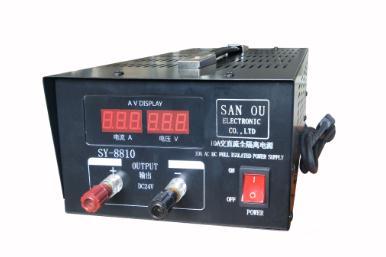
Understanding the Benefits of a 1 in 4 Out Signal Distributor for Electronic Components
Understanding the Benefits of a 1 in 4 Out Signal Distributor for Electronic Components Table of Contents 1. Introduction to Signal Distribution 2. What is a 1 in 4 Out Signal Distributor? 3. Key Advantages of Using a 1 in 4 Out Signal Distributor 3.1 Enhanced Signal Integrity 3.2 Improved Signal Distribution Efficiency 3.3 Flexibility in System Desi
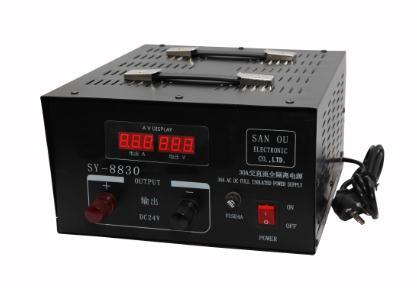
Understanding the 1 in 10 Out Signal Distributor: A Key Component in Optoelectronic Applications
A 1 in 10 out signal distributor is a specialized electronic device that takes a single input signal and replicates it across multiple output channels—in this case, ten outputs. This function is crucial in various applications, including telecommunications, broadcasting, and data transmission systems. The ability to distribute a single signal to multiple outputs ensures that information can reach
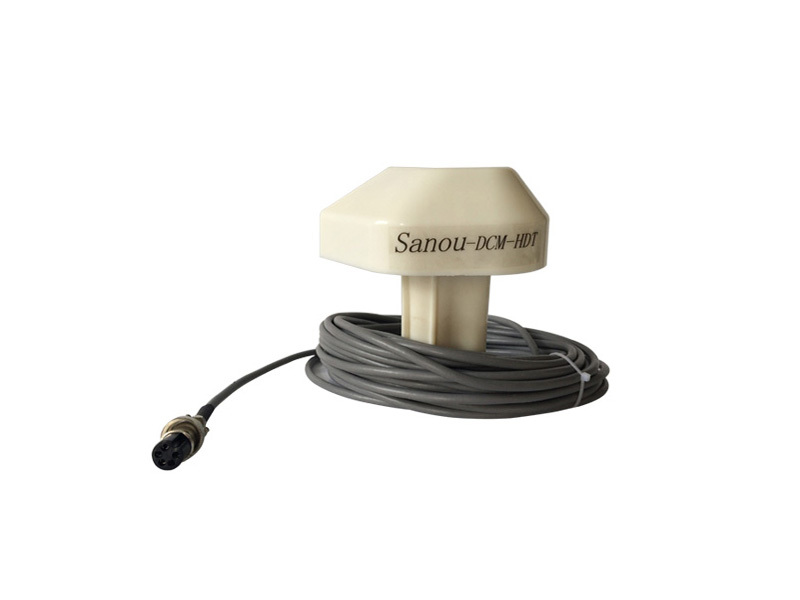
Unlocking the Benefits of the Furuno 1831 Radar with a Quality 24 Pin Square Plug
Unlocking the Benefits of the Furuno 1831 Radar with a Quality 24 Pin Square Plug Table of Contents 1. Introduction to Furuno 1831 Radar 2. Key Features of the Furuno 1831 Radar 3. Advantages of Using a Quality 24 Pin Square Plug 4. Installing the Furuno 1831 Radar with a 24 Pin Square Plug 5. Maintenance Tips for Optimal Performance 6. Troubleshooting Common