
News Center
Understanding Electric Rudder Controllers: Enhancing Precision in Marine Navigation
One of the primary advantages of electric rudder controllers is their ability to provide real-time feedback and adjustments. By utilizing advanced sensors and actuators, these controllers can quickly respond to changes in water conditions or steering commands. This responsiveness is crucial for maintaining course stability, especially in challenging marine environments. As a result, vessels equipped with electric rudder controllers can navigate more effectively, reducing the risk of human error and improving safety.
Additionally, electric rudder controllers can interact seamlessly with other marine instrumentation, including pressure gauges and control systems. In pressure control applications, maintaining the correct pressure levels is critical for the vessel's operation and safety. By integrating with these systems, electric rudder controllers can ensure that the vessel remains balanced and stable, preventing situations that could lead to pressure fluctuations or other operational issues.
The design of electric rudder controllers also contributes to their popularity. Unlike traditional mechanical systems, which may require extensive maintenance and can be prone to wear and tear, electric controllers offer a more robust solution. Their electronic components are built to withstand harsh marine conditions, reducing downtime and maintenance costs. Furthermore, these controllers often feature programmable settings, allowing operators to customize rudder responses based on specific operational needs.
Another important aspect of electric rudder controllers is their role in enhancing fuel efficiency. By optimizing the rudder's angle for various conditions, these controllers help vessels maintain the most energy-efficient course. This not only reduces fuel consumption but also minimizes the environmental impact, aligning with modern sustainability practices in marine operations.
In conclusion, electric rudder controllers are an integral component of contemporary marine navigation systems. Their ability to provide precision steering, real-time feedback, and interaction with pressure control systems makes them invaluable for ensuring safe and efficient vessel operations. As technology continues to evolve, we can expect further advancements in electric rudder controllers, leading to even greater improvements in marine navigation and instrumentation. Understanding these systems is essential for anyone involved in marine operations, as they play a crucial role in promoting safety, efficiency, and sustainability on the water.
Related News
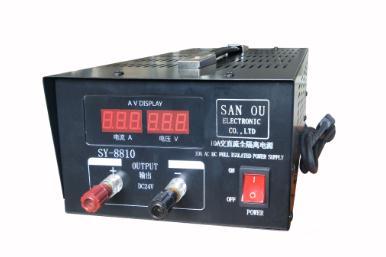
Understanding the Benefits of a 1 in 4 Out Signal Distributor for Electronic Components
Understanding the Benefits of a 1 in 4 Out Signal Distributor for Electronic Components Table of Contents 1. Introduction to Signal Distribution 2. What is a 1 in 4 Out Signal Distributor? 3. Key Advantages of Using a 1 in 4 Out Signal Distributor 3.1 Enhanced Signal Integrity 3.2 Improved Signal Distribution Efficiency 3.3 Flexibility in System Desi
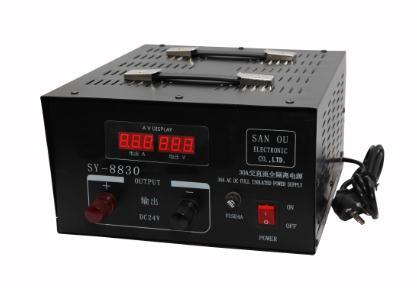
Understanding the 1 in 10 Out Signal Distributor: A Key Component in Optoelectronic Applications
A 1 in 10 out signal distributor is a specialized electronic device that takes a single input signal and replicates it across multiple output channels—in this case, ten outputs. This function is crucial in various applications, including telecommunications, broadcasting, and data transmission systems. The ability to distribute a single signal to multiple outputs ensures that information can reach
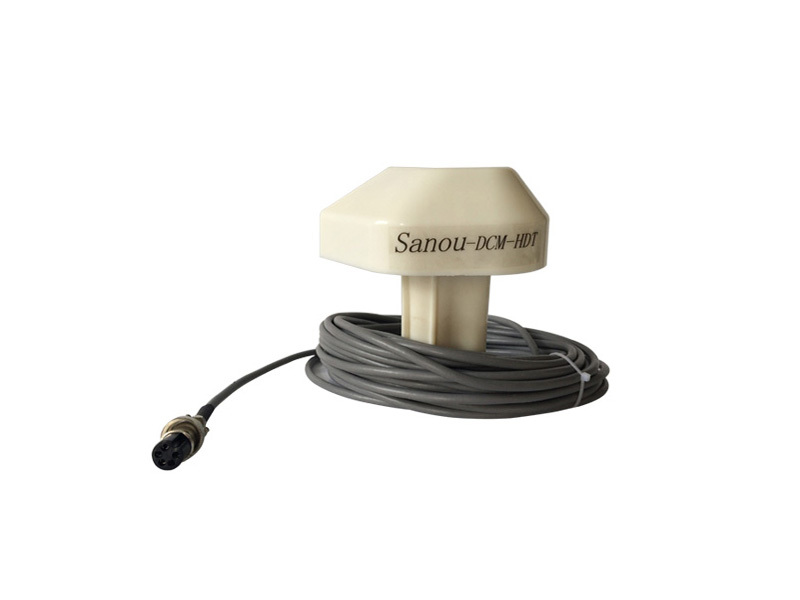
Unlocking the Benefits of the Furuno 1831 Radar with a Quality 24 Pin Square Plug
Unlocking the Benefits of the Furuno 1831 Radar with a Quality 24 Pin Square Plug Table of Contents 1. Introduction to Furuno 1831 Radar 2. Key Features of the Furuno 1831 Radar 3. Advantages of Using a Quality 24 Pin Square Plug 4. Installing the Furuno 1831 Radar with a 24 Pin Square Plug 5. Maintenance Tips for Optimal Performance 6. Troubleshooting Common