
News Center
Understanding Marine Three-Color Solar Navigation Lights: Essential Tools for Safe Boating
Marine three-color solar navigation lights typically display three distinct colors: red, green, and white. Each color serves a specific purpose in signaling a vessel's position and direction. The red light is displayed on the port (left) side of the vessel, the green light on the starboard (right) side, and the white light is typically used for the stern (rear) of the vessel. This color-coding system allows other vessels to determine the orientation of a boat, which is vital for avoiding collisions on the water.
One of the innovative features of marine three-color solar navigation lights is their solar-powered functionality. These lights harness solar energy during the day, allowing them to operate efficiently without the need for external power sources. This sustainability not only makes them environmentally friendly but also ensures that they remain operational during extended periods, especially when the vessel is anchored or not in use.
The installation of marine three-color solar navigation lights is essential for compliance with maritime regulations. In many regions, vessels are required to display these navigation lights to ensure safe passage, particularly in crowded or poorly lit waterways. Understanding and adhering to these regulations is not only a legal obligation but also a critical step in promoting safety for all water users.
In addition to their functional benefits, marine three-color solar navigation lights are designed to be durable and weather-resistant. Constructed from high-quality materials, these lights can withstand harsh marine conditions, including rain, wind, and saltwater exposure. This durability ensures that the lights remain functional and effective, providing reliable navigation support throughout their lifespan.
In conclusion, marine three-color solar navigation lights are indispensable tools for safe boating. Their ability to signal a vessel's position through a color-coded system, combined with the benefits of solar power and durability, make them a wise investment for any maritime enthusiast. By ensuring compliance with navigation regulations and enhancing visibility on the water, these lights play a critical role in promoting safety and preventing accidents. Embracing the use of marine three-color solar navigation lights is a proactive step toward safer and more enjoyable boating experiences.
Related News
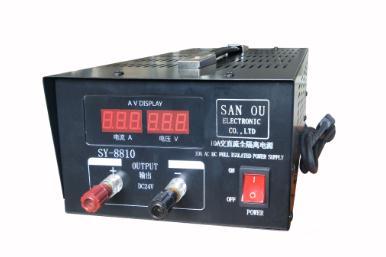
Understanding the Benefits of a 1 in 4 Out Signal Distributor for Electronic Components
Understanding the Benefits of a 1 in 4 Out Signal Distributor for Electronic Components Table of Contents 1. Introduction to Signal Distribution 2. What is a 1 in 4 Out Signal Distributor? 3. Key Advantages of Using a 1 in 4 Out Signal Distributor 3.1 Enhanced Signal Integrity 3.2 Improved Signal Distribution Efficiency 3.3 Flexibility in System Desi
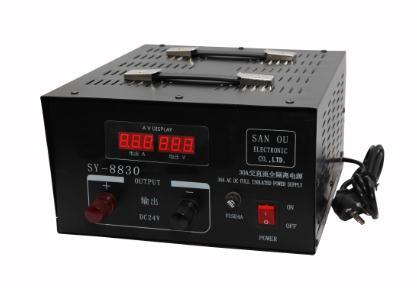
Understanding the 1 in 10 Out Signal Distributor: A Key Component in Optoelectronic Applications
A 1 in 10 out signal distributor is a specialized electronic device that takes a single input signal and replicates it across multiple output channels—in this case, ten outputs. This function is crucial in various applications, including telecommunications, broadcasting, and data transmission systems. The ability to distribute a single signal to multiple outputs ensures that information can reach
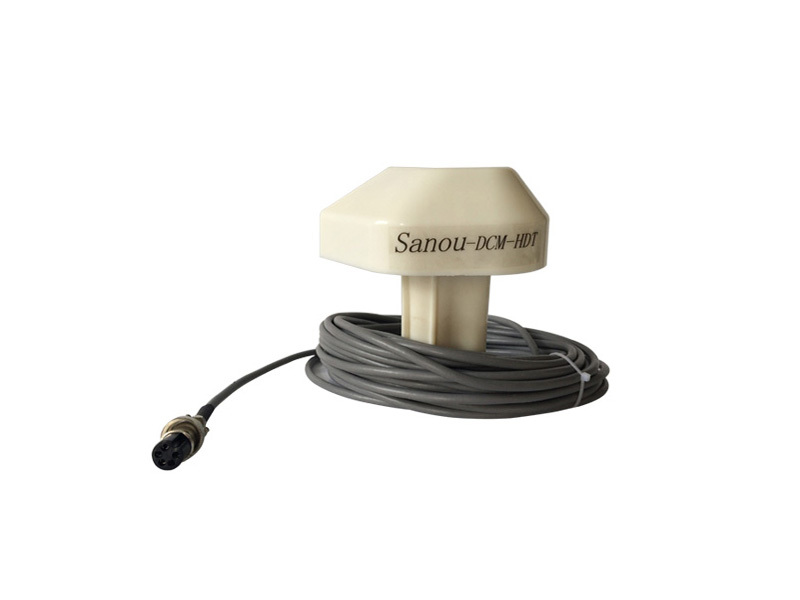
Unlocking the Benefits of the Furuno 1831 Radar with a Quality 24 Pin Square Plug
Unlocking the Benefits of the Furuno 1831 Radar with a Quality 24 Pin Square Plug Table of Contents 1. Introduction to Furuno 1831 Radar 2. Key Features of the Furuno 1831 Radar 3. Advantages of Using a Quality 24 Pin Square Plug 4. Installing the Furuno 1831 Radar with a 24 Pin Square Plug 5. Maintenance Tips for Optimal Performance 6. Troubleshooting Common