
News Center
Transforming Power: The Essential Guide to AC/DC AUTO Converters
Transforming Power: The Essential Guide to AC/DC AUTO Converters
Table of Contents
- 1. Introduction to AC/DC AUTO Converters
- 2. Understanding AC/DC Converters
- 3. Types of AC/DC AUTO Converters
- 4. Applications of AC/DC AUTO Converters
- 5. Benefits of Using AC/DC AUTO Converters
- 6. How to Choose the Right AC/DC AUTO Converter
- 7. Top AC/DC AUTO Converter Manufacturers
- 8. Frequently Asked Questions
- 9. Conclusion
1. Introduction to AC/DC AUTO Converters
In today's technology-driven world, the need for reliable power conversion is more critical than ever. **AC/DC AUTO converters** play a pivotal role in transforming alternating current (AC) into direct current (DC) to power a wide range of devices and systems. This guide aims to provide a thorough understanding of AC/DC AUTO converters, including their types, working principles, applications, benefits, and selection criteria.
2. Understanding AC/DC Converters
2.1 Definition of AC/DC Converters
AC/DC converters are electronic devices that convert AC voltage to DC voltage. They are commonly used in power supply systems where electronic devices require stable DC power to function correctly. The conversion process is crucial for devices that cannot operate directly on AC power, such as computers, batteries, and various electronic appliances.
2.2 How AC/DC Converters Work
The operation of AC/DC converters primarily involves two steps: rectification and filtering. During the **rectification** process, the AC current is transformed into pulsating DC using diodes or other semiconductor devices. The **filtering** stage smoothens this pulsating DC into a stable output voltage, suitable for powering various electronic components. This transformation is essential to ensure that devices receive a consistent power supply.
3. Types of AC/DC AUTO Converters
AC/DC converters come in various types, each designed to serve specific applications and meet varying requirements.
3.1 Linear AC/DC Converters
Linear converters are known for their simplicity and reliability. They operate by using a linear regulator to maintain a steady output voltage. While they are excellent for low-power applications, linear converters are less efficient for high-power tasks due to heat dissipation. They are ideal for devices sensitive to voltage fluctuations, such as audio equipment.
3.2 Switching AC/DC Converters
Switching converters are more complex but offer higher efficiency compared to linear converters. They utilize high-frequency switching techniques, allowing them to convert power with minimal energy loss. This makes switching converters suitable for high-power applications, including power supply units for computers and industrial equipment. They are also capable of providing higher output voltages and are more versatile than linear converters.
4. Applications of AC/DC AUTO Converters
AC/DC converters have a wide array of applications across various industries. Some of the most notable include:
- **Consumer Electronics**: Devices like laptops, smartphones, and televisions rely heavily on AC/DC converters to function.
- **Industrial Equipment**: Machinery and equipment used in manufacturing processes often require stable DC power, making these converters essential.
- **Telecommunications**: Networking equipment and communication devices depend on reliable power supplies provided by AC/DC converters.
- **Renewable Energy Systems**: In solar and wind energy systems, AC/DC converters facilitate the conversion of renewable energy into usable power.
- **Automotive Applications**: Electric vehicles and hybrid systems utilize AC/DC converters to manage battery power effectively.
5. Benefits of Using AC/DC AUTO Converters
The adoption of AC/DC converters offers numerous advantages:
- **Efficiency**: Switching converters, in particular, are known for their high efficiency, reducing energy waste.
- **Reliability**: These converters provide a stable power supply, which is critical for the smooth operation of electronic devices.
- **Versatility**: AC/DC converters can be designed to accommodate various input and output voltage requirements, making them adaptable to different applications.
- **Compact Size**: Many modern converters are designed to be space-efficient, making them easy to integrate into existing systems.
6. How to Choose the Right AC/DC AUTO Converter
Selecting the appropriate AC/DC converter involves considering several key factors:
- **Output Voltage and Current**: Ensure the converter meets the specific voltage and current requirements of your device.
- **Efficiency Rating**: Look for converters with high-efficiency ratings to minimize energy loss.
- **Form Factor**: Consider the physical size and shape of the converter, especially if space is a constraint.
- **Operating Temperature Range**: Make sure the converter can withstand the environmental conditions of the intended application.
- **Safety Standards**: Choose converters that comply with relevant safety and performance standards to ensure reliable operation.
7. Top AC/DC AUTO Converter Manufacturers
Several reputable manufacturers lead the AC/DC converter market, known for their quality and innovation. Some of them include:
1. **Mean Well Enterprises**: Renowned for their extensive range of power supplies and converters, Mean Well is a trusted name in the industry.
2. **Texas Instruments**: Specializing in semiconductor products, Texas Instruments offers a variety of efficient power management solutions.
3. **STMicroelectronics**: Known for their commitment to sustainability, STMicroelectronics provides advanced power conversion solutions.
4. **Schneider Electric**: A leader in energy management, Schneider Electric produces high-quality AC/DC converters for various applications.
5. **Murata Manufacturing**: With a focus on compact and efficient designs, Murata is a go-to choice for many electronic manufacturers.
8. Frequently Asked Questions
1. What is the difference between AC and DC power?
AC (Alternating Current) power changes direction periodically, while DC (Direct Current) power flows in one direction. Most household appliances operate on AC, whereas electronics typically require DC.
2. Can AC/DC converters handle high power loads?
Yes, switching AC/DC converters are designed to handle high power loads efficiently, making them suitable for industrial and commercial applications.
3. Do AC/DC converters generate heat?
Yes, all converters generate some heat during operation, but switching converters are more efficient and produce less heat compared to linear converters.
4. How do I know which AC/DC converter to choose?
Consider factors such as output voltage, current requirements, efficiency, and the specific application when selecting an AC/DC converter.
5. Are AC/DC converters safe to use?
Yes, as long as they comply with safety standards and are used according to manufacturer guidelines, AC/DC converters are safe for everyday use.
9. Conclusion
AC/DC AUTO converters are essential components in the operation of countless electronic devices and systems. Understanding their functionality, types, applications, and benefits is crucial for selecting the right converter for your needs. With advancements in technology, these converters continue to evolve, offering increased efficiency and reliability. As you embark on your journey of power transformation, ensure you consider the factors discussed in this guide to make informed decisions that enhance your electronic applications.
Related News
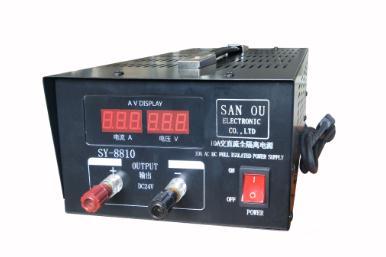
Understanding the Benefits of a 1 in 4 Out Signal Distributor for Electronic Components
Understanding the Benefits of a 1 in 4 Out Signal Distributor for Electronic Components Table of Contents 1. Introduction to Signal Distribution 2. What is a 1 in 4 Out Signal Distributor? 3. Key Advantages of Using a 1 in 4 Out Signal Distributor 3.1 Enhanced Signal Integrity 3.2 Improved Signal Distribution Efficiency 3.3 Flexibility in System Desi
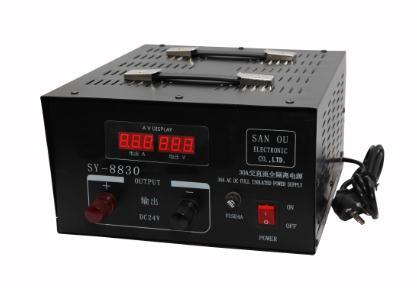
Understanding the 1 in 10 Out Signal Distributor: A Key Component in Optoelectronic Applications
A 1 in 10 out signal distributor is a specialized electronic device that takes a single input signal and replicates it across multiple output channels—in this case, ten outputs. This function is crucial in various applications, including telecommunications, broadcasting, and data transmission systems. The ability to distribute a single signal to multiple outputs ensures that information can reach
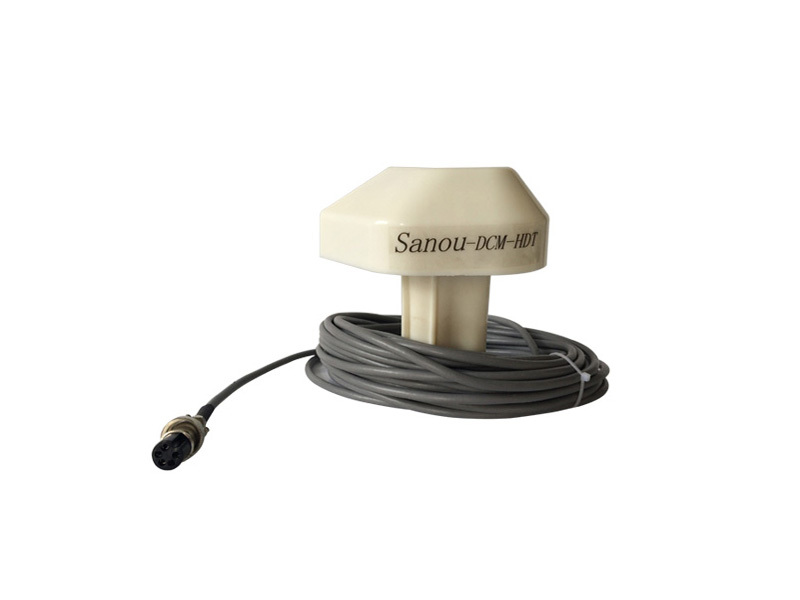
Unlocking the Benefits of the Furuno 1831 Radar with a Quality 24 Pin Square Plug
Unlocking the Benefits of the Furuno 1831 Radar with a Quality 24 Pin Square Plug Table of Contents 1. Introduction to Furuno 1831 Radar 2. Key Features of the Furuno 1831 Radar 3. Advantages of Using a Quality 24 Pin Square Plug 4. Installing the Furuno 1831 Radar with a 24 Pin Square Plug 5. Maintenance Tips for Optimal Performance 6. Troubleshooting Common