
News Center
Understanding Marine Radar Picture Tubes: Essential Insights for the Maritime Industry
A marine radar picture tube functions by converting radar signals reflected from objects in the water—such as other vessels, buoys, and land masses—into a visual representation. The radar system emits radio waves that bounce off these objects and return to the radar unit, which processes the data to create an image. The picture tube then displays this information in a way that is easily interpretable by the operator.
One of the key advantages of using a picture tube in marine radar systems is its ability to provide real-time feedback. As the vessel moves, the radar continuously updates the display, ensuring that navigators are aware of any potential hazards in their vicinity. This real-time visualization is crucial for avoiding collisions and managing maritime traffic effectively, particularly in congested or narrow waterways.
However, it is essential to understand that marine radar picture tubes can be sensitive to environmental factors. Elements such as weather conditions, sea state, and interference from other electronic devices can impact the clarity and accuracy of the displayed image. Operators must be trained to interpret the radar information critically, recognizing when external factors may affect the radar’s performance.
Maintenance of the marine radar system, including the picture tube, is also vital to ensure optimal functionality. Regular checks and calibrations can help identify potential issues before they lead to significant problems. Operators should refer to user manuals and maintenance guidelines to keep the system in peak condition, which includes cleaning the picture tube and ensuring that all connections are secure.
In conclusion, marine radar picture tubes are instrumental in the effective operation of radar systems aboard vessels. By converting radar signals into visual displays, they enable navigators to make informed decisions in real-time. Understanding their functionality, maintenance needs, and the factors that can affect their performance is essential for ensuring both safety and efficiency in maritime operations. As technology evolves, staying updated on the latest advancements in marine radar systems will further enhance the capabilities of these critical instruments in the maritime industry.
Related News
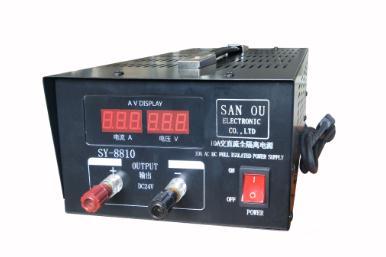
Understanding the Benefits of a 1 in 4 Out Signal Distributor for Electronic Components
Understanding the Benefits of a 1 in 4 Out Signal Distributor for Electronic Components Table of Contents 1. Introduction to Signal Distribution 2. What is a 1 in 4 Out Signal Distributor? 3. Key Advantages of Using a 1 in 4 Out Signal Distributor 3.1 Enhanced Signal Integrity 3.2 Improved Signal Distribution Efficiency 3.3 Flexibility in System Desi
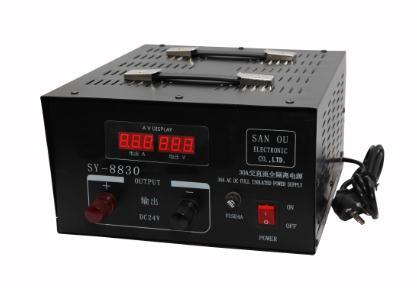
Understanding the 1 in 10 Out Signal Distributor: A Key Component in Optoelectronic Applications
A 1 in 10 out signal distributor is a specialized electronic device that takes a single input signal and replicates it across multiple output channels—in this case, ten outputs. This function is crucial in various applications, including telecommunications, broadcasting, and data transmission systems. The ability to distribute a single signal to multiple outputs ensures that information can reach
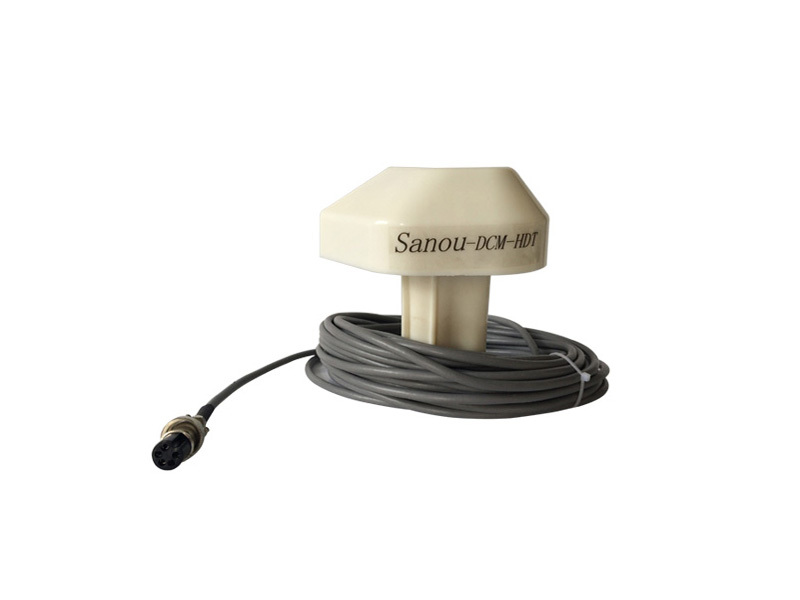
Unlocking the Benefits of the Furuno 1831 Radar with a Quality 24 Pin Square Plug
Unlocking the Benefits of the Furuno 1831 Radar with a Quality 24 Pin Square Plug Table of Contents 1. Introduction to Furuno 1831 Radar 2. Key Features of the Furuno 1831 Radar 3. Advantages of Using a Quality 24 Pin Square Plug 4. Installing the Furuno 1831 Radar with a 24 Pin Square Plug 5. Maintenance Tips for Optimal Performance 6. Troubleshooting Common