
News Center
Understanding Marine Solar Navigation Lights: A Guide for Professionals
Firstly, it is important to note that marine solar navigation lights utilize solar panels for energy, making them an eco-friendly option compared to traditional electric lights. The solar panels capture sunlight during the day and store the energy in batteries for use at night or during low-light conditions. This feature not only promotes sustainability but also reduces the need for wiring and external power sources, making installation straightforward and cost-effective.
These lights come in various colors and configurations, typically using red, green, and white lenses to indicate the vessel's orientation and status. For instance, red lights are placed on the port side, while green lights are on the starboard side. White lights are used for aft visibility. The correct placement and functionality of these lights are crucial for safe navigation, especially in busy waterways or during adverse weather conditions.
Durability is another vital aspect of marine solar navigation lights. Designed to withstand harsh marine environments, they are usually constructed from robust materials that resist corrosion and UV damage. This resilience ensures a long operational lifespan, making them a reliable choice for vessel owners. Additionally, many modern models come with features such as automatic brightness adjustment and various flash patterns to enhance visibility.
Furthermore, marine solar navigation lights are increasingly being integrated with advanced technologies, such as LED lighting. LEDs offer increased efficiency and longevity, consuming less energy while providing brilliant illumination. This transformation in lighting technology is a significant advancement for the maritime industry, as it means lower maintenance costs and reduced environmental impact.
In conclusion, marine solar navigation lights play an indispensable role in maritime safety. By harnessing solar power, they offer a sustainable and reliable means of navigation that is crucial for all types of vessels. As a professional in the electrical instrumentation sector, understanding the benefits and applications of these lights can help you better serve your clients and improve the safety of their maritime operations. Embracing innovative technologies in this field will ensure that you remain at the forefront of maritime safety solutions.
Related News
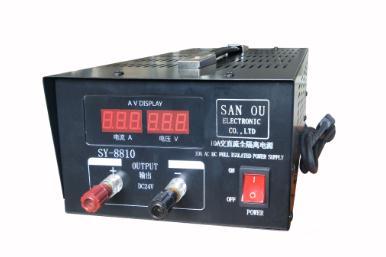
Understanding the Benefits of a 1 in 4 Out Signal Distributor for Electronic Components
Understanding the Benefits of a 1 in 4 Out Signal Distributor for Electronic Components Table of Contents 1. Introduction to Signal Distribution 2. What is a 1 in 4 Out Signal Distributor? 3. Key Advantages of Using a 1 in 4 Out Signal Distributor 3.1 Enhanced Signal Integrity 3.2 Improved Signal Distribution Efficiency 3.3 Flexibility in System Desi
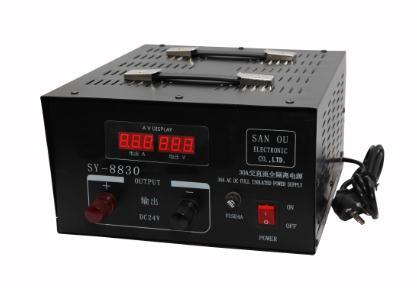
Understanding the 1 in 10 Out Signal Distributor: A Key Component in Optoelectronic Applications
A 1 in 10 out signal distributor is a specialized electronic device that takes a single input signal and replicates it across multiple output channels—in this case, ten outputs. This function is crucial in various applications, including telecommunications, broadcasting, and data transmission systems. The ability to distribute a single signal to multiple outputs ensures that information can reach
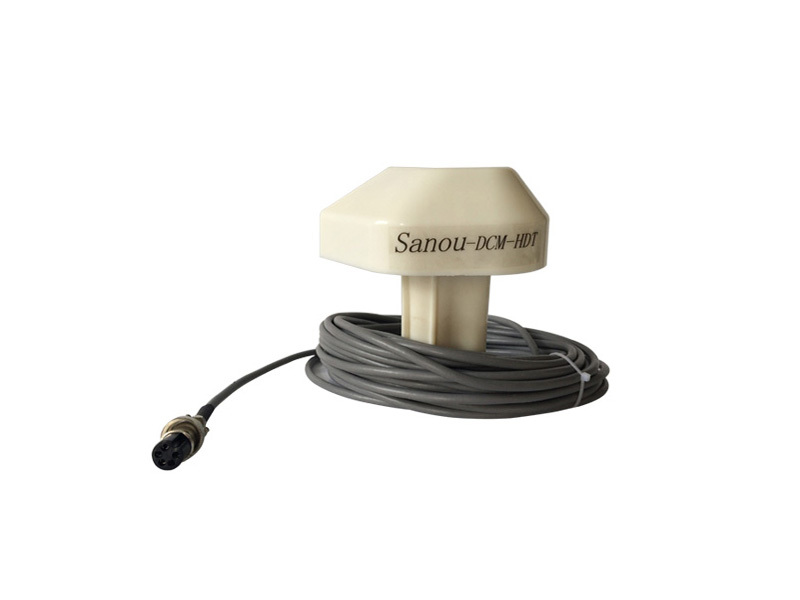
Unlocking the Benefits of the Furuno 1831 Radar with a Quality 24 Pin Square Plug
Unlocking the Benefits of the Furuno 1831 Radar with a Quality 24 Pin Square Plug Table of Contents 1. Introduction to Furuno 1831 Radar 2. Key Features of the Furuno 1831 Radar 3. Advantages of Using a Quality 24 Pin Square Plug 4. Installing the Furuno 1831 Radar with a 24 Pin Square Plug 5. Maintenance Tips for Optimal Performance 6. Troubleshooting Common