
News Center
Understanding Marine Automatic Water Level Monitors: Essential Tools for Environmental Monitoring
At the core of marine automatic water level monitors is advanced sensor technology. These sensors can detect changes in water levels with high precision, providing valuable data that can help predict flooding events, assess drought conditions, and monitor the effects of climate change. By deploying these monitors in strategic locations, researchers and environmental agencies can gather critical information that enhances their understanding of water dynamics in marine and freshwater ecosystems.
One of the notable advantages of marine automatic water level monitors is their ability to operate autonomously. Equipped with battery-powered systems and data loggers, these devices can function in remote or difficult-to-access areas without the need for constant human oversight. Data collected by the monitors can be transmitted wirelessly to central databases, allowing for real-time analysis and decision-making. This capability is particularly beneficial in emergencies when rapid responses are necessary to mitigate the impacts of environmental changes.
Moreover, marine automatic water level monitors contribute to various applications beyond simply measuring water levels. They are instrumental in flood management systems, offering insights that help communities prepare for and respond to potential inundation. In research settings, these monitors aid scientists in studying hydrological cycles, sediment transport, and the ecological health of aquatic environments. Additionally, they are utilized in industrial applications, such as monitoring water levels in reservoirs and during the extraction of natural resources.
In summary, marine automatic water level monitors serve as indispensable tools in the field of environmental monitoring. Their ability to provide continuous, accurate data is crucial for understanding and managing water resources responsibly. As our global climate continues to change, the importance of such monitoring systems will only grow, making them vital for safeguarding our precious marine and freshwater ecosystems. By leveraging the insights provided by these monitors, we can work towards more sustainable environmental practices and better preparedness for the challenges posed by nature.
Related News
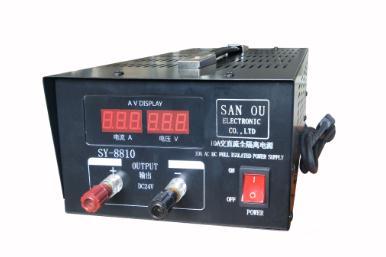
Understanding the Benefits of a 1 in 4 Out Signal Distributor for Electronic Components
Understanding the Benefits of a 1 in 4 Out Signal Distributor for Electronic Components Table of Contents 1. Introduction to Signal Distribution 2. What is a 1 in 4 Out Signal Distributor? 3. Key Advantages of Using a 1 in 4 Out Signal Distributor 3.1 Enhanced Signal Integrity 3.2 Improved Signal Distribution Efficiency 3.3 Flexibility in System Desi
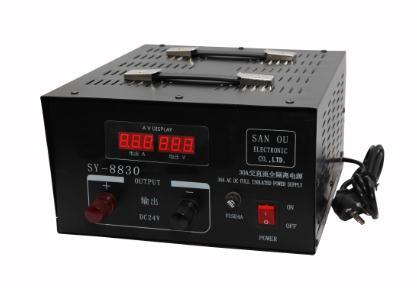
Understanding the 1 in 10 Out Signal Distributor: A Key Component in Optoelectronic Applications
A 1 in 10 out signal distributor is a specialized electronic device that takes a single input signal and replicates it across multiple output channels—in this case, ten outputs. This function is crucial in various applications, including telecommunications, broadcasting, and data transmission systems. The ability to distribute a single signal to multiple outputs ensures that information can reach
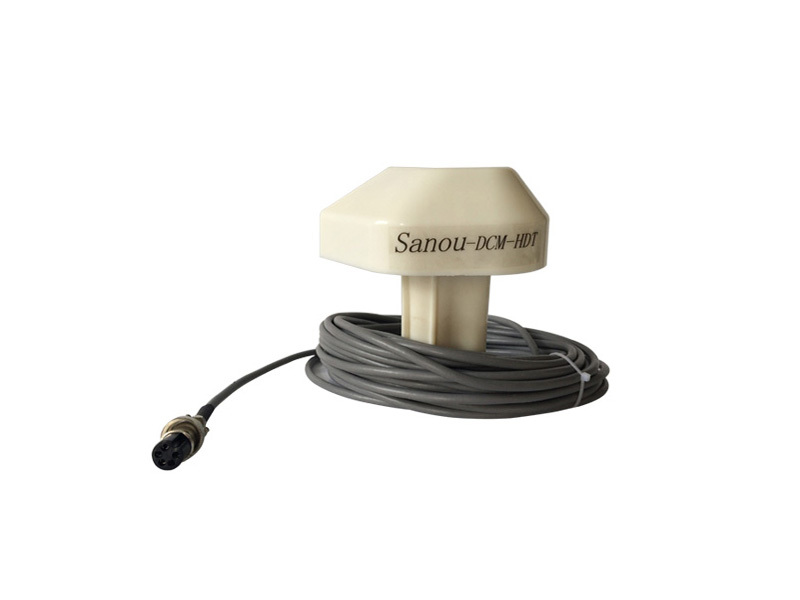
Unlocking the Benefits of the Furuno 1831 Radar with a Quality 24 Pin Square Plug
Unlocking the Benefits of the Furuno 1831 Radar with a Quality 24 Pin Square Plug Table of Contents 1. Introduction to Furuno 1831 Radar 2. Key Features of the Furuno 1831 Radar 3. Advantages of Using a Quality 24 Pin Square Plug 4. Installing the Furuno 1831 Radar with a 24 Pin Square Plug 5. Maintenance Tips for Optimal Performance 6. Troubleshooting Common