
News Center
Understanding Marine Automatic Chargers: Essential Power Solutions for Your Boat
At their core, marine automatic chargers utilize smart technology to adaptively charge and maintain batteries. They feature built-in microprocessors that monitor the battery's voltage and temperature, adjusting the charging rate as necessary. This means that when a battery is low, the charger will provide a robust charge, while if the battery is near full capacity, it will switch to a maintenance mode to avoid overcharging. This intelligent charging process not only preserves battery health but also enhances safety, reducing the risk of battery damage and potential hazards associated with overcharging.
One of the most significant benefits of marine automatic chargers is their ability to accommodate various battery types, including lead-acid, AGM (Absorbed Glass Mat), and gel batteries. This versatility is critical for boat owners who may have different battery configurations on their vessels. Furthermore, many models are designed to be waterproof and corrosion-resistant, making them suitable for the harsh marine environment.
When selecting a marine automatic charger, it’s essential to consider the charger’s output capacity, which is typically rated in amps. The appropriate charger size depends on the battery bank's total capacity and the frequency of use. For instance, a larger battery bank will require a charger with higher output to ensure efficient charging, especially if the boat is used infrequently.
Another important aspect to consider is the charger’s safety features. Many modern marine automatic chargers come equipped with protections against over-voltage, short-circuiting, and reverse polarity. These safety mechanisms are crucial for preventing accidents and ensuring the longevity of both the charger and the batteries it services.
In addition to enhancing battery performance, a marine automatic charger contributes to the overall reliability of your vessel. By keeping batteries in peak condition, boaters can avoid the inconvenience of being stranded due to battery failure. This reliability is especially important during extended outings where access to shore power may be limited.
In conclusion, investing in a quality marine automatic charger is essential for any boat owner looking to secure their vessel's electrical system. By understanding how these chargers function and the benefits they offer, you can ensure that your boat is always ready for your next adventure on the water. Whether you're a seasoned sailor or new to boating, a marine automatic charger is a smart addition that provides peace of mind and enhances your boating experience.
Related News
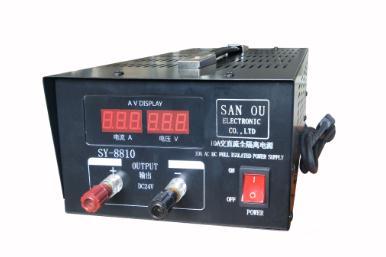
Understanding the Benefits of a 1 in 4 Out Signal Distributor for Electronic Components
Understanding the Benefits of a 1 in 4 Out Signal Distributor for Electronic Components Table of Contents 1. Introduction to Signal Distribution 2. What is a 1 in 4 Out Signal Distributor? 3. Key Advantages of Using a 1 in 4 Out Signal Distributor 3.1 Enhanced Signal Integrity 3.2 Improved Signal Distribution Efficiency 3.3 Flexibility in System Desi
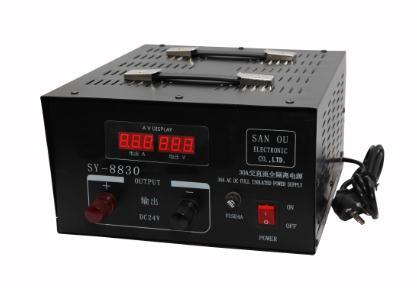
Understanding the 1 in 10 Out Signal Distributor: A Key Component in Optoelectronic Applications
A 1 in 10 out signal distributor is a specialized electronic device that takes a single input signal and replicates it across multiple output channels—in this case, ten outputs. This function is crucial in various applications, including telecommunications, broadcasting, and data transmission systems. The ability to distribute a single signal to multiple outputs ensures that information can reach
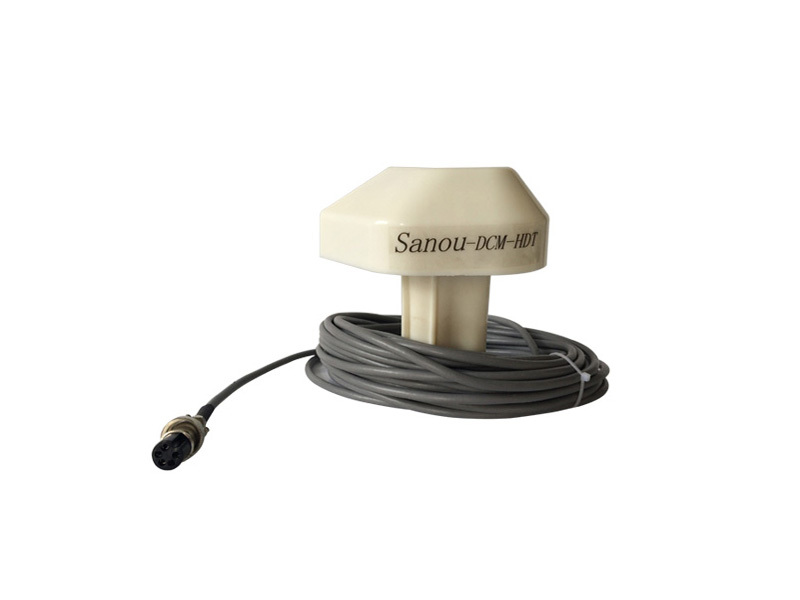
Unlocking the Benefits of the Furuno 1831 Radar with a Quality 24 Pin Square Plug
Unlocking the Benefits of the Furuno 1831 Radar with a Quality 24 Pin Square Plug Table of Contents 1. Introduction to Furuno 1831 Radar 2. Key Features of the Furuno 1831 Radar 3. Advantages of Using a Quality 24 Pin Square Plug 4. Installing the Furuno 1831 Radar with a 24 Pin Square Plug 5. Maintenance Tips for Optimal Performance 6. Troubleshooting Common