
News Center
Understanding Marine Analog Steering Instruments: A Comprehensive Guide
At the core of marine analog steering instruments is the use of mechanical linkages and gauges that provide real-time feedback on the vessel’s heading. These instruments typically include a compass, rudder angle indicator, and sometimes a helm control mechanism. The robustness of analog designs ensures that they can withstand the harsh conditions often encountered at sea, including moisture, vibration, and temperature fluctuations.
One significant advantage of analog steering instruments is their simplicity. Without the complexities of digital interfaces or the need for extensive electronic support, these instruments often require less maintenance and are easier to troubleshoot. For maritime professionals, this means less downtime and a greatly reduced dependency on technology that can fail due to electrical issues or software glitches.
Furthermore, marine analog steering instruments are praised for their responsiveness. When steering a vessel, instant feedback is crucial for making accurate adjustments to the course. The direct mechanical connection in analog systems provides a more immediate and intuitive feel compared to digital instruments, which may introduce lag due to signal processing. This quality is particularly important in challenging navigational situations where split-second decisions can mean the difference between safe passage and potential hazards.
In addition to their practical advantages, marine analog steering instruments also possess a certain aesthetic appeal. Many mariners appreciate the classic design and craftsmanship that accompany these instruments, often viewing them as a connection to the rich history of seafaring. The tactile experience of operating these instruments can enhance the overall navigation process, creating a more engaging and satisfying experience for the operator.
In conclusion, marine analog steering instruments serve as a vital tool for professionals in the maritime industry. Their durability, simplicity, and immediacy make them an excellent choice for steering vessels in various marine environments. As technology continues to evolve, the enduring relevance of these instruments highlights the importance of combining traditional craftsmanship with modern navigational strategies. Whether you are a seasoned captain or an aspiring mariner, understanding these instruments will undoubtedly contribute to your navigation proficiency and maritime safety.
Related News
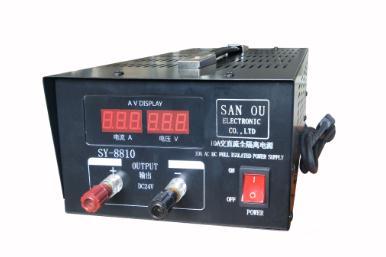
Understanding the Benefits of a 1 in 4 Out Signal Distributor for Electronic Components
Understanding the Benefits of a 1 in 4 Out Signal Distributor for Electronic Components Table of Contents 1. Introduction to Signal Distribution 2. What is a 1 in 4 Out Signal Distributor? 3. Key Advantages of Using a 1 in 4 Out Signal Distributor 3.1 Enhanced Signal Integrity 3.2 Improved Signal Distribution Efficiency 3.3 Flexibility in System Desi
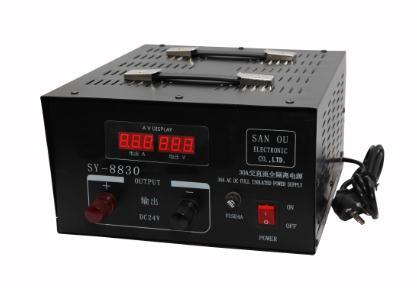
Understanding the 1 in 10 Out Signal Distributor: A Key Component in Optoelectronic Applications
A 1 in 10 out signal distributor is a specialized electronic device that takes a single input signal and replicates it across multiple output channels—in this case, ten outputs. This function is crucial in various applications, including telecommunications, broadcasting, and data transmission systems. The ability to distribute a single signal to multiple outputs ensures that information can reach
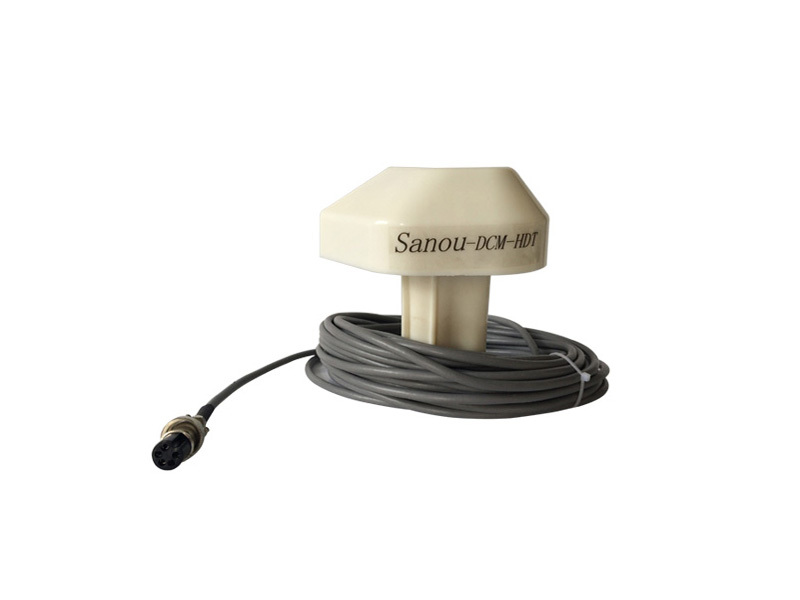
Unlocking the Benefits of the Furuno 1831 Radar with a Quality 24 Pin Square Plug
Unlocking the Benefits of the Furuno 1831 Radar with a Quality 24 Pin Square Plug Table of Contents 1. Introduction to Furuno 1831 Radar 2. Key Features of the Furuno 1831 Radar 3. Advantages of Using a Quality 24 Pin Square Plug 4. Installing the Furuno 1831 Radar with a 24 Pin Square Plug 5. Maintenance Tips for Optimal Performance 6. Troubleshooting Common