
News Center
Understanding the Role of AC/DC AUTO Converters in Digital Devices
Understanding the Role of AC/DC AUTO Converters in Digital Devices
Table of Contents
1. Introduction to AC/DC AUTO Converters
2. What are AC/DC AUTO Converters?
3. How AC/DC AUTO Converters Work
4. Applications of AC/DC AUTO Converters in Digital Devices
5. Benefits of Using AC/DC AUTO Converters
6. Choosing the Right AC/DC AUTO Converter
7. Troubleshooting Common Issues with AC/DC AUTO Converters
8. The Future of AC/DC AUTO Converters in Technology
9. Frequently Asked Questions (FAQs)
10. Conclusion
Introduction to AC/DC AUTO Converters
In the rapidly evolving digital landscape, **AC/DC AUTO converters** play a pivotal role in ensuring that devices function effectively and efficiently. These converters are essential for transforming alternating current (AC) into direct current (DC), which is required by most digital devices. In this article, we will explore the mechanics of AC/DC AUTO converters, their applications in various digital devices, and the benefits they provide.
What are AC/DC AUTO Converters?
AC/DC AUTO converters are electronic circuits that convert AC voltage to DC voltage. This conversion is crucial because while many electrical outlets provide AC voltage, most electronic devices, including computers, smartphones, and other digital gadgets, operate on DC voltage. The functionality of these converters is vital for the **performance** and **reliability** of digital devices.
Types of AC/DC AUTO Converters
There are several types of AC/DC converters, including:
- **Linear Converters**: These converters provide a smooth output voltage but are less efficient.
- **Switching Converters**: Known for their high efficiency, these converters switch the input voltage on and off rapidly to regulate the output voltage.
- **Isolated Converters**: These converters provide electrical isolation between input and output, enhancing safety and reducing noise.
How AC/DC AUTO Converters Work
The operation of AC/DC converters involves several key processes:
1. **Rectification**: The first step involves converting AC to DC via a rectifier, which typically uses diodes.
2. **Smoothing**: After rectification, the output is often a pulsating DC. Capacitors are used to smooth this output to a more constant DC voltage.
3. **Regulation**: Finally, regulators ensure that the output voltage remains stable, despite fluctuations in the input voltage or load conditions.
The Rectification Process
During rectification, the AC voltage is allowed to flow in only one direction, effectively converting it into DC. This is typically accomplished using a **bridge rectifier**, which consists of four diodes arranged cleverly to ensure that both halves of the AC waveform are utilized.
Applications of AC/DC AUTO Converters in Digital Devices
AC/DC AUTO converters find applications across a wide range of digital devices, enhancing their functionality and performance. Some notable applications include:
- **Computers and Laptops**: These devices require stable DC power for their internal components such as motherboards and processors.
- **Smartphones and Tablets**: AC/DC converters are essential for charging batteries and powering internal circuits.
- **Televisions and Audio Equipment**: These devices utilize converters to ensure consistent power delivery for optimal performance.
- **Industrial Equipment**: In industrial settings, AC/DC converters power machines, control systems, and automation technologies.
Role in Renewable Energy Systems
With the growing emphasis on renewable energy, AC/DC converters are becoming increasingly important in solar panel systems and wind turbines. They help optimize energy conversion and storage, ensuring that digital devices can efficiently utilize renewable energy sources.
Benefits of Using AC/DC AUTO Converters
The implementation of AC/DC AUTO converters in digital devices offers numerous advantages:
- **Efficiency**: Switching converters, in particular, are highly efficient, reducing energy waste.
- **Reliability**: These converters provide stable and regulated output, which enhances the reliability of the devices they power.
- **Compact Design**: Many AC/DC converters are designed to be compact, allowing for easier integration into various devices.
- **Versatility**: They can be used across a wide range of applications, from consumer electronics to industrial machinery.
Environmental Impact
The increased efficiency of AC/DC converters contributes to reduced energy consumption, which can have a positive impact on the environment. By optimizing power usage, they help in minimizing the carbon footprint associated with digital devices.
Choosing the Right AC/DC AUTO Converter
Selecting the right AC/DC AUTO converter for your device is crucial. Here are key factors to consider:
- **Output Voltage Requirements**: Ensure that the converter’s output voltage matches your device's specifications.
- **Power Rating**: The converter should be able to handle the power requirements of the device without overheating or failing.
- **Efficiency Rating**: Look for converters with high efficiency ratings to minimize energy loss.
- **Size and Form Factor**: Depending on the application, the physical size of the converter may be essential for integration.
Manufacturer Reputation
Choosing converters from reputable manufacturers can ensure quality and reliability. Brands that specialize in power electronics often provide detailed specifications and support for their products, making selection easier.
Troubleshooting Common Issues with AC/DC AUTO Converters
Understanding potential issues with AC/DC converters can help maintain the performance of your digital devices. Some common problems include:
- **Overheating**: This can occur due to excessive load or inadequate cooling.
- **Voltage Fluctuations**: Inconsistent output voltage may indicate a failing converter or issues with the input supply.
- **Noise Interference**: Electrical noise can disrupt the operation of sensitive components, often mitigated by using filtered converters.
Preventive Measures
To prevent issues with AC/DC converters, regular maintenance and monitoring can be beneficial. Ensuring proper ventilation, using quality components, and adhering to load specifications are essential practices.
The Future of AC/DC AUTO Converters in Technology
As technology advances, the role of AC/DC converters will continue to evolve. Innovations in materials, such as wide-bandgap semiconductors, promise to enhance efficiency and performance. Additionally, as digital devices become more power-hungry, the demand for advanced AC/DC converters will increase.
Integration with Smart Technologies
The advent of smart technologies and the Internet of Things (IoT) will necessitate more sophisticated AC/DC converters capable of handling complex power management tasks. Future converters will likely integrate seamlessly with smart grids and energy management systems.
Frequently Asked Questions (FAQs)
1. What is the difference between AC and DC?
AC (Alternating Current) periodically reverses its direction, while DC (Direct Current) flows in a single direction. Most electronic devices require DC for operation.
2. Can I use an AC/DC converter for any device?
No, it’s important to choose a converter that meets the specific voltage and current requirements of your device.
3. How can I tell if my AC/DC converter is faulty?
Signs of a faulty converter include overheating, unusual noises, and inconsistent output voltage.
4. Are AC/DC converters safe for use in homes?
Yes, when properly installed and maintained, AC/DC converters are safe for home use. Always adhere to manufacturer guidelines.
5. How long do AC/DC converters typically last?
The lifespan of AC/DC converters can vary, but with proper care and use, they can last several years.
Conclusion
In conclusion, **AC/DC AUTO converters** are essential components in the realm of digital devices, converting alternating current to direct current with remarkable efficiency and reliability. Their significance spans a wide range of applications, from consumer electronics to complex industrial systems. As technology continues to advance, the role of these converters will only grow, necessitating ongoing innovation and adaptation in their design and application. By understanding their function and choosing the right converters, users can ensure optimal performance and longevity of their digital devices.
Related News
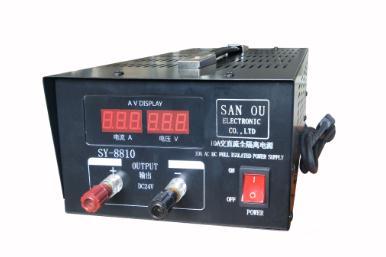
Understanding the Benefits of a 1 in 4 Out Signal Distributor for Electronic Components
Understanding the Benefits of a 1 in 4 Out Signal Distributor for Electronic Components Table of Contents 1. Introduction to Signal Distribution 2. What is a 1 in 4 Out Signal Distributor? 3. Key Advantages of Using a 1 in 4 Out Signal Distributor 3.1 Enhanced Signal Integrity 3.2 Improved Signal Distribution Efficiency 3.3 Flexibility in System Desi
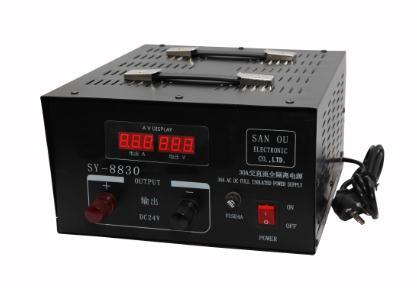
Understanding the 1 in 10 Out Signal Distributor: A Key Component in Optoelectronic Applications
A 1 in 10 out signal distributor is a specialized electronic device that takes a single input signal and replicates it across multiple output channels—in this case, ten outputs. This function is crucial in various applications, including telecommunications, broadcasting, and data transmission systems. The ability to distribute a single signal to multiple outputs ensures that information can reach
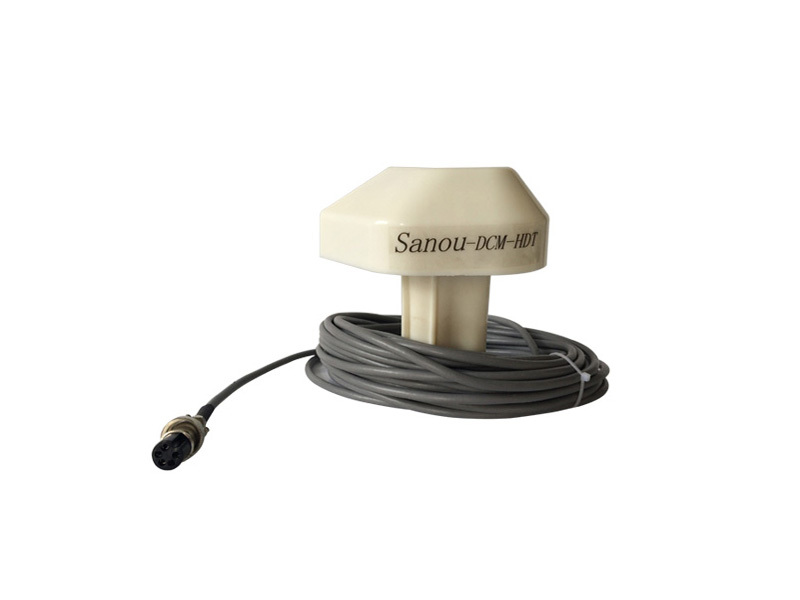
Unlocking the Benefits of the Furuno 1831 Radar with a Quality 24 Pin Square Plug
Unlocking the Benefits of the Furuno 1831 Radar with a Quality 24 Pin Square Plug Table of Contents 1. Introduction to Furuno 1831 Radar 2. Key Features of the Furuno 1831 Radar 3. Advantages of Using a Quality 24 Pin Square Plug 4. Installing the Furuno 1831 Radar with a 24 Pin Square Plug 5. Maintenance Tips for Optimal Performance 6. Troubleshooting Common