
News Center
Understanding Marine 271 Regulated Power Supply: Essentials for Reliable Electrical Systems
One of the key features of the Marine 271 regulated power supply is its ability to regulate voltage across a range of operational conditions. This ensures that connected devices receive a constant voltage, which is vital for sensitive electronics that can be adversely affected by voltage spikes or drops. The regulated nature of this power supply is instrumental in protecting equipment, enhancing longevity, and minimizing maintenance costs.
Moreover, the Marine 271 is built to withstand the harsh environments typically found in marine settings. Corrosive saltwater, humidity, and temperature extremes can take a toll on electrical equipment. Therefore, the construction of this power supply often includes robust materials and protective enclosures that resist corrosion and wear, ensuring consistent performance under challenging conditions.
In addition to its durability, the Marine 271 regulated power supply often features advanced circuitry that provides overvoltage and overcurrent protection. These safety mechanisms are crucial in preventing damage to both the power supply and the connected devices, making it a reliable choice for various applications ranging from small boats to large maritime vessels.
The versatility of the Marine 271 also extends to its compatibility with a wide range of devices. Whether it is powering navigation systems, communication equipment, or other critical electronic systems, this regulated power supply can adapt to different requirements, providing power where and when it is needed.
Furthermore, understanding the specifications of the Marine 271 regulated power supply is essential for anyone involved in electrical system design or maintenance. Knowing the voltage and current ratings, as well as the input power requirements, can help ensure that the chosen power supply meets the operational needs of the system.
In conclusion, the Marine 271 regulated power supply is a crucial element in maintaining the integrity and reliability of marine and industrial electrical systems. Its ability to provide stable voltage, robust construction, and safety features makes it a preferred choice for professionals in the electrical engineering field. By understanding its functions and applications, users can make informed decisions to enhance the performance of their electrical systems.
Related News
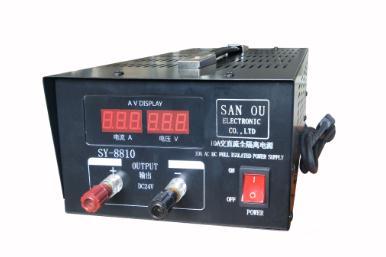
Understanding the Benefits of a 1 in 4 Out Signal Distributor for Electronic Components
Understanding the Benefits of a 1 in 4 Out Signal Distributor for Electronic Components Table of Contents 1. Introduction to Signal Distribution 2. What is a 1 in 4 Out Signal Distributor? 3. Key Advantages of Using a 1 in 4 Out Signal Distributor 3.1 Enhanced Signal Integrity 3.2 Improved Signal Distribution Efficiency 3.3 Flexibility in System Desi
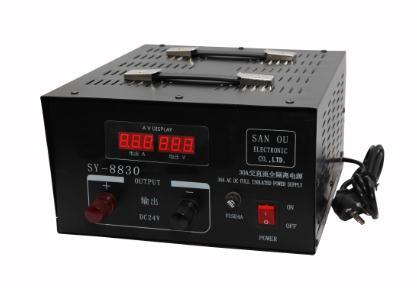
Understanding the 1 in 10 Out Signal Distributor: A Key Component in Optoelectronic Applications
A 1 in 10 out signal distributor is a specialized electronic device that takes a single input signal and replicates it across multiple output channels—in this case, ten outputs. This function is crucial in various applications, including telecommunications, broadcasting, and data transmission systems. The ability to distribute a single signal to multiple outputs ensures that information can reach
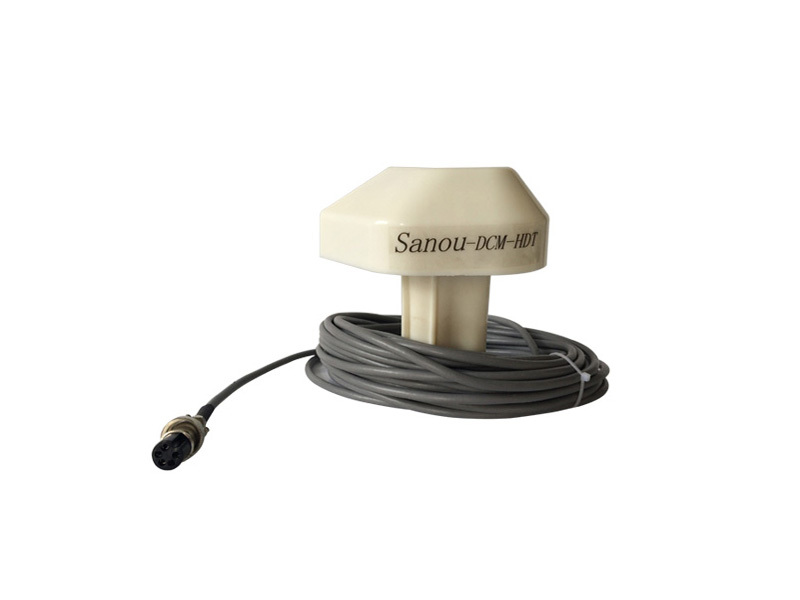
Unlocking the Benefits of the Furuno 1831 Radar with a Quality 24 Pin Square Plug
Unlocking the Benefits of the Furuno 1831 Radar with a Quality 24 Pin Square Plug Table of Contents 1. Introduction to Furuno 1831 Radar 2. Key Features of the Furuno 1831 Radar 3. Advantages of Using a Quality 24 Pin Square Plug 4. Installing the Furuno 1831 Radar with a 24 Pin Square Plug 5. Maintenance Tips for Optimal Performance 6. Troubleshooting Common